
|
|
|||||||||||||
|
Ostatnie 10 torrentów
Ostatnie 10 komentarzy
Discord
Wygląd torrentów:
Kategoria:
Muzyka
Gatunek:
Progressive Rock
Ilość torrentów:
72
Opis
...SIŁA I PIĘKNO MUZYKI TKWIĄ W JEJ RÓŻNORODNOŚCI...
..::OPIS::.. Nowa, zremasterowana, limitowana, europejska edycja (W NIGDY NIE UŻYTEJ NA CD, NIEMIECKIEJ OKŁADCE POLYDORU Z 1972 ROKU) doskonałego, drugiego albumu bardzo popularnych niegdyś Holendrów, wydanego przez Polydor w październiku 1971 roku. Przez wielu uważana za najlepsze dokonanie tej progresywnej formacji (z uroczym, żeńskim wokalem), przypominającej tutaj stylistykę ówczesnych Pink Floyd (soczyście zawodząca gitara), wczesnych Genesis (piękne melodie) i debiutu King Crimson (mellotron) z wokalem w stylu Mariski Veres z Shocking Blue. Pierwszą stronę płyty wypełniały 4 krótsze utwory (w tym genialny, narastający, ich sztandarowy 'Storm And Thunder'), zaś drugą część oryginalnego winylu zajmowała genialna, tytułowa, wieloczęściowa, 18-minutowa suita utrzymana w zróżnicowanym, ale generalnie mrocznym nastroju i czarująca niemal symfonicznym rozmachem. Co ciekawsze, nagrania dodatkowe w niczym nie ustępują 'dwójce' a być może są nawet lepsze! Wydane w tym czasie single (A i B strony) były kapitalne, zaś dodane, telewizyjne wersje brzmią lepiej i mocniej niż oryginały! Booklet zawiera reprodukcję czarno-złotego frontu i środka oryginalnej, holenderskiej okładki, tak więc nic nie zostało utracone. JL Świat się zmienił. Mówi nam to woda, której z kranu nie nalejemy sobie do kubka. Mówi nam to ziemia, udręczona śmietnikami piętrzącymi się na obrzeżach miast. Można to wyczuć nie tylko w powietrzu, choć i ono oplata nasze miasta smogiem porannych ciężkich chmur. Sporo muzyki, ongiś nagrodzonej złotymi płytami zostało zapomniane. Nie chcę powiedzieć, że nie żyją już ci, co nagrody przyznawali, ale świat nieubłaganie pędzi do przodu i ani się obejrzymy, jak kolejne krążki pokryje warstwa nieubłaganego zapomnienia. Od czego by tu zacząć. A tak. Co zaś się tyczy Earth And Fire, to muzykę tego zespołu można dziś usłyszeć niezmiernie rzadko, a jeśli już to w dziwnych porach. Najczęściej późno w nocy, prawie nad ranem, w audycji radiowej, co to popularność ma (bo może jeszcze mieć, choć zobaczymy jak długo) gdzieś. Niszowe audycje radiowe są w pewnym sensie dla takiej muzyki chwytaniem się brzytwy. My też słuchamy / słuchaliśmy (niepotrzebne skreślić) takiej audycji. I tam odkrywaliśmy / odkrywamy kolejne diamenty muzyki, która tak bardzo rozpala nasze dusze. Można też jej posłuchać w Internecie, będącym linią oporu wobec dominacji wielkich koncernów, co sztukę chcą sprzedawać jak pastę do zębów. Earth And Fire poznałem gdzieś tak około 1987 roku, za sprawą Wielkiego Nieobecnego Prezentera. To była właśnie ta płyta, pięć nagrań, z czego jedno długie, prawie dwudziestominutowe. Można zatem powiedzieć, że to płyta swoich czasów, bo spora część zespołów nagrywających w tamtych czasach (tzn. w latach 70-tych) konstruowała swoje albumy w ten sposób. Cztery / pięć nagrań na jednej stronie czarnej płyty i jeden długi kilkunastominutowy utwór na drugiej. Osoby zasłuchane w nowych brzmieniach odnajdą na tym albumie taką delikatność, taki nastrój, jaką dziś mistrzowie ich gatunku wyczarowują za pomocą elektroniki. Carnival Of The Animals jest przykładem owej lekkości. Mało skomplikowana melodia, nawet instrumenty perkusyjne brzmią tak jakoś delikatnie, bez zbędnego hałasu. Ebbtide, gdyby dziś nagrywano, mielibyśmy w tle, oprócz zwiewnego trelu fletu, całą masę elektronicznych efektów (trzasków, ptaszków i takich tam). A tak możemy się delektować czystym brzmieniem organów, solówką na flecie i łagodnym śpiewem Jerney Kaagman. Każde z tych krótkich nagrań to takie wprowadzenie. Każde z nich, to ta suita z drugiej strony w pigułce. Song Of The Marching Children zaczyna piękna partia organów hammonda, narastająca, by po chwili wyciszyć się i przejść w piękne intro grane w idealnej harmonii z gitarą. Gitarzysta maluje tu takie pasaże, do jakich przyzwyczaić miał nas później … maestro Hackett. Nie będę przed wami odkrywał swoją pisaniną wszystkich sekretów tego nagrania. Spróbujcie się zagłębić w tę muzykę, bo to jedna z piękniejszych suit, jakie słyszałem. Niestety do muzyki Earth & Fire trudno dotrzeć. W sklepach płyt nie uświadczysz, przez sieć można je kupić, ale kosztują paskudne pieniądze (bo taką muzykę sprzedaje się dziś po 20 – 30 złotych). O japońskich cardboard sleeve lepiej nie wspominać (a przynajmniej o ich cenie). Zatem: muzyka dla pasjonatów? Bez dwóch zdań, polecam. Kris EARTH & FIRE were one of the leading prog rock bands to come out of Holland, while at the same time, being able to rack up a bunch of hits in their homeland. "Song of the Marching Children", their second album, released in 1971, is by far their best one, as far as I'm concerned. The band was by far best known for female vocalist Jerney Kaagman, which her voice is put to good use on songs like "Carnival of the Animals", "Ebbtide", "Storm and Thunder", and the side-length title track. The album is also loaded with lots of great Mellotron work. Hard to describe their music, but I've heard it described as JEFFERSON AIRPLANE meets KING CRIMSON. Anyways, the original Dutch LP on Polydor features a gatefold with some truly trippy artwork inside (although later pressings did not come with a gatefold). This is truly one of my favorites to come out of Holland. (4 1/2 stars) Proghead EARTH & FIRE's "Song Of The Marching Children" falls somewhere within the song-oriented prog category. The album consists of short tracks on side A, and a larger epic on side B (my CD also came with a bonus track, but there is another CD that features SOTMC, and Atlantis). All of the tracks on Side A feature some of the best qualities found in more adventurous progressive rock, and they end up sounding like miniature epics. The side- long track sounds like 5 songs pieced together. Overall, the music from this band has a strong European symphonic sound, meaning that Baroque, classical, and even circus influences are all over the place. The band likes to weave in and out of major/minor chords and scales, so the music alternates between happy and sad moods. I also hear a noticeable early KING CRIMSON sound (heavy on the orchestral mellotron sound). EARTH & FIRE had a female lead-singer with one of the warmest, and charismatic, voice that I've heard in prog. She is usually mentioned first when people talk about the band. Some of her lyrics are silly in a surreal, counterculture, sort of way, but her beautiful voice quickly makes you forgive the naive lyrics. This is a majestic album that will please fans of early KING CRIMSON, PFM's "Per Un Amico", and FANTASY. Steve Hegede ..::TRACK-LIST::.. 1. Carnival Of The Animals 2. Ebbtide 3. Stom And Thunder 4. In The Mountains 5. Song Of The Marching Children a) Theme Of The Marching Children b) Opening Of The Seal c) Childhood d) Affliction e) Damnation f) Purification g) The March Bonus Tracks: 6. Invitation (Single A-side, 1971) 7. Song Of The Marching Children (Early Single Version, 1971) 8. Lost Forever (Single B-side, 1971) 9. Memories (Single A-side, 1972) 10. From The End Til The Beginning (Single B-side, 1972) 11. Stom And Thunder (Live on TV) 12. Song Of The Marching Children (Live on TV) 13. Instrumental Jam (Live 1972) 14. Invitation (Live 1972) 15. Memories (Live 1972) Tracks 11, 12 Recorded Live for 'Swing In' WDR TV Show, Germany, 8th July 1972. ..::OBSADA::.. Guitar, Vocals – Chris Koerts Organ, Piano, Vocals, Mellotron – Gerard Koerts Vocals – Jerney Kaagman Bass – Hans Ziech Drums, Percussion – Ton van de Kley https://www.youtube.com/watch?v=-FZ1q7UxviQ SEED 15:00-22:00. POLECAM!!! 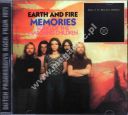
Seedów: 0
Komentarze: 0
Data dodania:
2026-10-11 19:15:21
Rozmiar: 190.25 MB
Peerów: 0
Dodał: Fallen_Angel
Opis
...SIŁA I PIĘKNO MUZYKI TKWIĄ W JEJ RÓŻNORODNOŚCI...
..::OPIS::.. Nowa, zremasterowana, limitowana, europejska edycja (W NIGDY NIE UŻYTEJ NA CD, NIEMIECKIEJ OKŁADCE POLYDORU Z 1972 ROKU) doskonałego, drugiego albumu bardzo popularnych niegdyś Holendrów, wydanego przez Polydor w październiku 1971 roku. Przez wielu uważana za najlepsze dokonanie tej progresywnej formacji (z uroczym, żeńskim wokalem), przypominającej tutaj stylistykę ówczesnych Pink Floyd (soczyście zawodząca gitara), wczesnych Genesis (piękne melodie) i debiutu King Crimson (mellotron) z wokalem w stylu Mariski Veres z Shocking Blue. Pierwszą stronę płyty wypełniały 4 krótsze utwory (w tym genialny, narastający, ich sztandarowy 'Storm And Thunder'), zaś drugą część oryginalnego winylu zajmowała genialna, tytułowa, wieloczęściowa, 18-minutowa suita utrzymana w zróżnicowanym, ale generalnie mrocznym nastroju i czarująca niemal symfonicznym rozmachem. Co ciekawsze, nagrania dodatkowe w niczym nie ustępują 'dwójce' a być może są nawet lepsze! Wydane w tym czasie single (A i B strony) były kapitalne, zaś dodane, telewizyjne wersje brzmią lepiej i mocniej niż oryginały! Booklet zawiera reprodukcję czarno-złotego frontu i środka oryginalnej, holenderskiej okładki, tak więc nic nie zostało utracone. JL Świat się zmienił. Mówi nam to woda, której z kranu nie nalejemy sobie do kubka. Mówi nam to ziemia, udręczona śmietnikami piętrzącymi się na obrzeżach miast. Można to wyczuć nie tylko w powietrzu, choć i ono oplata nasze miasta smogiem porannych ciężkich chmur. Sporo muzyki, ongiś nagrodzonej złotymi płytami zostało zapomniane. Nie chcę powiedzieć, że nie żyją już ci, co nagrody przyznawali, ale świat nieubłaganie pędzi do przodu i ani się obejrzymy, jak kolejne krążki pokryje warstwa nieubłaganego zapomnienia. Od czego by tu zacząć. A tak. Co zaś się tyczy Earth And Fire, to muzykę tego zespołu można dziś usłyszeć niezmiernie rzadko, a jeśli już to w dziwnych porach. Najczęściej późno w nocy, prawie nad ranem, w audycji radiowej, co to popularność ma (bo może jeszcze mieć, choć zobaczymy jak długo) gdzieś. Niszowe audycje radiowe są w pewnym sensie dla takiej muzyki chwytaniem się brzytwy. My też słuchamy / słuchaliśmy (niepotrzebne skreślić) takiej audycji. I tam odkrywaliśmy / odkrywamy kolejne diamenty muzyki, która tak bardzo rozpala nasze dusze. Można też jej posłuchać w Internecie, będącym linią oporu wobec dominacji wielkich koncernów, co sztukę chcą sprzedawać jak pastę do zębów. Earth And Fire poznałem gdzieś tak około 1987 roku, za sprawą Wielkiego Nieobecnego Prezentera. To była właśnie ta płyta, pięć nagrań, z czego jedno długie, prawie dwudziestominutowe. Można zatem powiedzieć, że to płyta swoich czasów, bo spora część zespołów nagrywających w tamtych czasach (tzn. w latach 70-tych) konstruowała swoje albumy w ten sposób. Cztery / pięć nagrań na jednej stronie czarnej płyty i jeden długi kilkunastominutowy utwór na drugiej. Osoby zasłuchane w nowych brzmieniach odnajdą na tym albumie taką delikatność, taki nastrój, jaką dziś mistrzowie ich gatunku wyczarowują za pomocą elektroniki. Carnival Of The Animals jest przykładem owej lekkości. Mało skomplikowana melodia, nawet instrumenty perkusyjne brzmią tak jakoś delikatnie, bez zbędnego hałasu. Ebbtide, gdyby dziś nagrywano, mielibyśmy w tle, oprócz zwiewnego trelu fletu, całą masę elektronicznych efektów (trzasków, ptaszków i takich tam). A tak możemy się delektować czystym brzmieniem organów, solówką na flecie i łagodnym śpiewem Jerney Kaagman. Każde z tych krótkich nagrań to takie wprowadzenie. Każde z nich, to ta suita z drugiej strony w pigułce. Song Of The Marching Children zaczyna piękna partia organów hammonda, narastająca, by po chwili wyciszyć się i przejść w piękne intro grane w idealnej harmonii z gitarą. Gitarzysta maluje tu takie pasaże, do jakich przyzwyczaić miał nas później … maestro Hackett. Nie będę przed wami odkrywał swoją pisaniną wszystkich sekretów tego nagrania. Spróbujcie się zagłębić w tę muzykę, bo to jedna z piękniejszych suit, jakie słyszałem. Niestety do muzyki Earth & Fire trudno dotrzeć. W sklepach płyt nie uświadczysz, przez sieć można je kupić, ale kosztują paskudne pieniądze (bo taką muzykę sprzedaje się dziś po 20 – 30 złotych). O japońskich cardboard sleeve lepiej nie wspominać (a przynajmniej o ich cenie). Zatem: muzyka dla pasjonatów? Bez dwóch zdań, polecam. Kris EARTH & FIRE were one of the leading prog rock bands to come out of Holland, while at the same time, being able to rack up a bunch of hits in their homeland. "Song of the Marching Children", their second album, released in 1971, is by far their best one, as far as I'm concerned. The band was by far best known for female vocalist Jerney Kaagman, which her voice is put to good use on songs like "Carnival of the Animals", "Ebbtide", "Storm and Thunder", and the side-length title track. The album is also loaded with lots of great Mellotron work. Hard to describe their music, but I've heard it described as JEFFERSON AIRPLANE meets KING CRIMSON. Anyways, the original Dutch LP on Polydor features a gatefold with some truly trippy artwork inside (although later pressings did not come with a gatefold). This is truly one of my favorites to come out of Holland. (4 1/2 stars) Proghead EARTH & FIRE's "Song Of The Marching Children" falls somewhere within the song-oriented prog category. The album consists of short tracks on side A, and a larger epic on side B (my CD also came with a bonus track, but there is another CD that features SOTMC, and Atlantis). All of the tracks on Side A feature some of the best qualities found in more adventurous progressive rock, and they end up sounding like miniature epics. The side- long track sounds like 5 songs pieced together. Overall, the music from this band has a strong European symphonic sound, meaning that Baroque, classical, and even circus influences are all over the place. The band likes to weave in and out of major/minor chords and scales, so the music alternates between happy and sad moods. I also hear a noticeable early KING CRIMSON sound (heavy on the orchestral mellotron sound). EARTH & FIRE had a female lead-singer with one of the warmest, and charismatic, voice that I've heard in prog. She is usually mentioned first when people talk about the band. Some of her lyrics are silly in a surreal, counterculture, sort of way, but her beautiful voice quickly makes you forgive the naive lyrics. This is a majestic album that will please fans of early KING CRIMSON, PFM's "Per Un Amico", and FANTASY. Steve Hegede ..::TRACK-LIST::.. 1. Carnival Of The Animals 2. Ebbtide 3. Stom And Thunder 4. In The Mountains 5. Song Of The Marching Children a) Theme Of The Marching Children b) Opening Of The Seal c) Childhood d) Affliction e) Damnation f) Purification g) The March Bonus Tracks: 6. Invitation (Single A-side, 1971) 7. Song Of The Marching Children (Early Single Version, 1971) 8. Lost Forever (Single B-side, 1971) 9. Memories (Single A-side, 1972) 10. From The End Til The Beginning (Single B-side, 1972) 11. Stom And Thunder (Live on TV) 12. Song Of The Marching Children (Live on TV) 13. Instrumental Jam (Live 1972) 14. Invitation (Live 1972) 15. Memories (Live 1972) Tracks 11, 12 Recorded Live for 'Swing In' WDR TV Show, Germany, 8th July 1972. ..::OBSADA::.. Guitar, Vocals – Chris Koerts Organ, Piano, Vocals, Mellotron – Gerard Koerts Vocals – Jerney Kaagman Bass – Hans Ziech Drums, Percussion – Ton van de Kley https://www.youtube.com/watch?v=-FZ1q7UxviQ SEED 15:00-22:00. POLECAM!!! 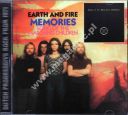
Seedów: 0
Komentarze: 0
Data dodania:
2026-10-11 19:11:14
Rozmiar: 513.50 MB
Peerów: 0
Dodał: Fallen_Angel
Opis
...SIŁA I PIĘKNO MUZYKI TKWIĄ W JEJ RÓŻNORODNOŚCI...
Jeszcze większy zwrot w stronę melodyjnego rocka i AOR. Produkcją i miksem zajmował się m.in. Conny Plank. Nadal jest to akceptowalna próba melodyjnego progresywnego brzmienia. ..::TRACK-LIST::.. 1. A Whale Of A Time 3:04 2. Racing Driver 4:25 3. Mighty Skyscrapers 4:10 4. Your Love 4:37 5. Desert Village 6:58 6. Spring 4:19 7. One More Night 4:09 8. More Than A Voice 4:24 9. Little Tune 2:31 10. I Can't Believe 5:26 Recorded at Teldec Studios Hamburg between June 3rd and July 5th 1978. ..::OBSADA::.. Guitar, Flute, Harmonica [Mouthorgan], Backing Vocals - Dieter Roesberg Keyboards - Gerald Dellmann Bass, Lead Vocals - Thomas Brück Drums, Vibraphone [Vibes], Backing Vocals - Wolfgang Hieronymi With: Herb Geller - sax (10) https://www.youtube.com/watch?v=kQGT7zFdS9Y SEED 15:00-22:00. POLECAM!!! 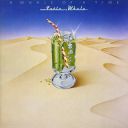
Seedów: 0
Komentarze: 0
Data dodania:
2026-10-09 18:22:10
Rozmiar: 103.38 MB
Peerów: 4
Dodał: Fallen_Angel
Opis
...SIŁA I PIĘKNO MUZYKI TKWIĄ W JEJ RÓŻNORODNOŚCI...
Jeszcze większy zwrot w stronę melodyjnego rocka i AOR. Produkcją i miksem zajmował się m.in. Conny Plank. Nadal jest to akceptowalna próba melodyjnego progresywnego brzmienia. ..::TRACK-LIST::.. 1. A Whale Of A Time 3:04 2. Racing Driver 4:25 3. Mighty Skyscrapers 4:10 4. Your Love 4:37 5. Desert Village 6:58 6. Spring 4:19 7. One More Night 4:09 8. More Than A Voice 4:24 9. Little Tune 2:31 10. I Can't Believe 5:26 Recorded at Teldec Studios Hamburg between June 3rd and July 5th 1978. ..::OBSADA::.. Guitar, Flute, Harmonica [Mouthorgan], Backing Vocals - Dieter Roesberg Keyboards - Gerald Dellmann Bass, Lead Vocals - Thomas Brück Drums, Vibraphone [Vibes], Backing Vocals - Wolfgang Hieronymi With: Herb Geller - sax (10) https://www.youtube.com/watch?v=kQGT7zFdS9Y SEED 15:00-22:00. POLECAM!!! 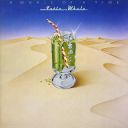
Seedów: 0
Komentarze: 0
Data dodania:
2026-10-09 18:19:17
Rozmiar: 293.25 MB
Peerów: 0
Dodał: Fallen_Angel
Opis
...SIŁA I PIĘKNO MUZYKI TKWIĄ W JEJ RÓŻNORODNOŚCI...
..::OPIS::.. Po wydaniu płyty 'Lost Mankind' grupa ruszyła w trasę z Barclay James Harvest. Miało to bezpośredni wpływ na ich późniejszą muzykę. Trzecia płyta 'As A Keepsake' (1977) zainspirowana Brytyjczykami była już zdecydowanie bardziej symfonicznym popem niż rockiem. Jeśli ktoś lubi takie granie, to kolejne płyty: 'A Whale Of Time' i koncertowa 'Whalecome' (obie z 1978) nie powinny rozczarować. Jednak moim skromnym zdaniem ich poziom artystyczny daleko odbiega od dwóch pierwszych i absolutnie genialnych albumów. OK, so Eugene, Oregon isn't the most prog friendly place on the face of the planet, and that goes for finding used prog LPs, although I have found a few unbelievable finds there, including original Italian Polydor pressings of the first two Latte e Miele LPs (I only bought Papillon at one of the Eugene record stores, as I already owned the original Passio Secundum Mattheum), the original Italian Grog pressing of the Celeste LP, and an original green Brain LP pressing of Satin Whale's Desert Places. For some reason finding unbelievable albums in Eugene seemed to have petered out since then (probably since the record stores felt they were making more money with newly pressed vinyl, and needing to cater to the college student and hipster population). Regardless, so glad to get that Satin Whale LP, then coming home to realize the big money originals are going for (I spent $20, and this doesn't appear to be the recent repress). I also noticed a copy of As a Keepsake at the same time (2012), but skipped it thinking it probably isn't worth my time. Come 2015, same Satin Whale LP still sitting there and I bought it, and I actually find it very good. Everything else they ever done seems to get compared to Desert Places, and I didn't feel the need to do that. As a Krautrock album, As a Keepsake crashes and burns. As a "crossover prog" album, this rather good, and if you like crossover prog, this comes recommended. It might not have the extended jams of Desert Places, but it had nice songs and nice arrangements. I don't think they sold out, the production and the music is a bit too sophisticated. They go a bit in the Barclay James Harvest route here, which I guess was intentional, as they had toured with them. I even prefer this over the BJH album from the same time (Gone to Earth). This album has several songs I really enjoy including "Holidays", "Devilish Roundabout", "Going Back to Cologne" and "Maree". "Devilish Roundabout" features some nice acoustic guitar passages, plus I really love that vibraphone solo. While I enjoy Desert Places as much as the next proghead, I was surprised to find this enjoyable, and worthy of four stars. Progfan97402 ..::TRACK-LIST::.. 1. Holidays 5:39 2. Reminiscent River 4:12 3. Devilish Roundabout 5:43 4. A Bit Foolish - A Bit Wise 5:58 5. Shady Way 4:14 6. Goin' Back To Cologne 3:54 7. Kew Gardens 4:26 8. Marée 4:38 9. No Time To Lose 4:26 ..::OBSADA::.. Dieter Roesberg - electric, slide & acoustic (6- & 12-string) guitars, flutes, harmonica, vocals (6) Gerald Dellmann - Hammond B3 organ, grand piano, Fender Rhodes, Hohner e-piano, synths (MiniMoog, ARP Strings), vibes, marimba, tubular bells, glockenspiel Thomas Brück - bass, lead vocals Wolfgang Hieronymi - drums With: Bernd Wippich - backing vocals Freya Wippich - backing vocals Rale Oberpichler - backing vocals Horst Schaettgen - backing vocals Herb Geller - alto sax (7) https://www.youtube.com/watch?v=n973jXIk7J0 SEED 15:00-22:00. POLECAM!!! 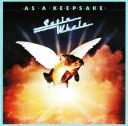
Seedów: 0
Komentarze: 0
Data dodania:
2026-09-29 19:35:10
Rozmiar: 102.88 MB
Peerów: 0
Dodał: Fallen_Angel
Opis
...SIŁA I PIĘKNO MUZYKI TKWIĄ W JEJ RÓŻNORODNOŚCI...
..::OPIS::.. Po wydaniu płyty 'Lost Mankind' grupa ruszyła w trasę z Barclay James Harvest. Miało to bezpośredni wpływ na ich późniejszą muzykę. Trzecia płyta 'As A Keepsake' (1977) zainspirowana Brytyjczykami była już zdecydowanie bardziej symfonicznym popem niż rockiem. Jeśli ktoś lubi takie granie, to kolejne płyty: 'A Whale Of Time' i koncertowa 'Whalecome' (obie z 1978) nie powinny rozczarować. Jednak moim skromnym zdaniem ich poziom artystyczny daleko odbiega od dwóch pierwszych i absolutnie genialnych albumów. OK, so Eugene, Oregon isn't the most prog friendly place on the face of the planet, and that goes for finding used prog LPs, although I have found a few unbelievable finds there, including original Italian Polydor pressings of the first two Latte e Miele LPs (I only bought Papillon at one of the Eugene record stores, as I already owned the original Passio Secundum Mattheum), the original Italian Grog pressing of the Celeste LP, and an original green Brain LP pressing of Satin Whale's Desert Places. For some reason finding unbelievable albums in Eugene seemed to have petered out since then (probably since the record stores felt they were making more money with newly pressed vinyl, and needing to cater to the college student and hipster population). Regardless, so glad to get that Satin Whale LP, then coming home to realize the big money originals are going for (I spent $20, and this doesn't appear to be the recent repress). I also noticed a copy of As a Keepsake at the same time (2012), but skipped it thinking it probably isn't worth my time. Come 2015, same Satin Whale LP still sitting there and I bought it, and I actually find it very good. Everything else they ever done seems to get compared to Desert Places, and I didn't feel the need to do that. As a Krautrock album, As a Keepsake crashes and burns. As a "crossover prog" album, this rather good, and if you like crossover prog, this comes recommended. It might not have the extended jams of Desert Places, but it had nice songs and nice arrangements. I don't think they sold out, the production and the music is a bit too sophisticated. They go a bit in the Barclay James Harvest route here, which I guess was intentional, as they had toured with them. I even prefer this over the BJH album from the same time (Gone to Earth). This album has several songs I really enjoy including "Holidays", "Devilish Roundabout", "Going Back to Cologne" and "Maree". "Devilish Roundabout" features some nice acoustic guitar passages, plus I really love that vibraphone solo. While I enjoy Desert Places as much as the next proghead, I was surprised to find this enjoyable, and worthy of four stars. Progfan97402 ..::TRACK-LIST::.. 1. Holidays 5:39 2. Reminiscent River 4:12 3. Devilish Roundabout 5:43 4. A Bit Foolish - A Bit Wise 5:58 5. Shady Way 4:14 6. Goin' Back To Cologne 3:54 7. Kew Gardens 4:26 8. Marée 4:38 9. No Time To Lose 4:26 ..::OBSADA::.. Dieter Roesberg - electric, slide & acoustic (6- & 12-string) guitars, flutes, harmonica, vocals (6) Gerald Dellmann - Hammond B3 organ, grand piano, Fender Rhodes, Hohner e-piano, synths (MiniMoog, ARP Strings), vibes, marimba, tubular bells, glockenspiel Thomas Brück - bass, lead vocals Wolfgang Hieronymi - drums With: Bernd Wippich - backing vocals Freya Wippich - backing vocals Rale Oberpichler - backing vocals Horst Schaettgen - backing vocals Herb Geller - alto sax (7) https://www.youtube.com/watch?v=n973jXIk7J0 SEED 15:00-22:00. POLECAM!!! 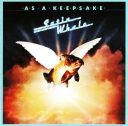
Seedów: 0
Komentarze: 0
Data dodania:
2026-09-29 19:30:28
Rozmiar: 308.00 MB
Peerów: 0
Dodał: Fallen_Angel
Opis
...SIŁA I PIĘKNO MUZYKI TKWIĄ W JEJ RÓŻNORODNOŚCI...
..::OPIS::.. Pierwszy album nagrywającej dla Vertigo Beggars Opera, to jedna z najciekawszych brytyjskich progresywnych formacji z początku lat 70-tych. Art-rockowe, rozimprowizowane granie łączące elementy stylistyki The Nice, Procol Harum, a nawet wczesnego Van der Graafa - z odrobiną hard-rocka. Pierwsze trzy albumy są po prostu niezbędne. Zremasterowana japońska reedycja. Nazareth, Sensetional Alex Harvey Band, The Blue Nile, Simple Minds, Texas, Travis…Szkocka ziemia wydała na (muzyczny) świat wiele dzieci, które zostawiły po sobie ślad w postaci wielce znaczących płyt. Niestety podobnego statusu nie dorobił się najbardziej znaczący, przynajmniej w progresywnym światku, Beggars Opera. Zespół powstał w 1969 roku w Glasgow. Jednakże panowie Gardiner, Griffiths i Erskine nie do końca traktowali muzykowanie na poważnie, gdyż ich głównym zajęciem było praca przy budowaniu części do autostrady M40 łączącej Londyn z Birmingham. Dopiero potem muzycy przeznieśli się do Glasgow i tam uzupełniając skład o klawiszowca i pałkera, rozpoczęli próby w pubie Burns Howff przy West Regent Street. Wysiłek przynosi efekt, formacja trafia pod skrzydła Vertigo Records. Beggars Opera zawsze będę pamiętał za pierwsze dwie płyty z których trudno wskazać tę lepszą. Obie fantastyczne, będące dla klasyką rocka progresywnego. Wybrałem „Act One” gdyż jest według mnie (minimalnie bardziej) porywająca, choć nieco mniej oryginalna. Różnica pomiędzy „Act One”, a „Waters Of Change” tym, że druga z wymienionych pozycji jest bardziej…autorska. Brzmienie wydaje nieco bardziej przejrzyste, nieco bardziej stonowane, ale brakuje troszkę tego pazura z debiutu. „Act One” ma w moim odczuciu sporo z brzmienia wczesnego Deep Purple (na „Waters Of Change” tych naleciałości skutecznie się wyzbyto), tego z inkarnacji z Rodem Evansem i Nickiem Simperem (jest tutaj bowiem troszkę tutaj tej amerykańskiej psychodelii, w którą swego czasu zapatrzony był Ritchie Blackmore) pomieszanego z ekstrawagancją i wirtuozerią The Nice. Jednakże w przeciwieństwe do Purpury, która brała na warsztat kawałki Bitli, czy Ike’a Turnera, panowie z Beggars Opera mieli świetną zabawę – zupełnie jak frakcja Keitha Emersona - we wplataniu najprzeróżniejszych cytatów z muzyki klasycznej, gdyż w tych pięciu (na kompaktowej reedycji – siedmiu*) zamieszczonych na „Act One” kompozycjach przewijają się motywy i z Mozarta i z Bacha i z Rossiniego i z Griega i ze Straussa. Do tego każdy zawarty tutaj numer jest świetnie i efektowanie zagrany. Nie brakuje tutaj ani pomysłowości, ani nienagannego warsztatu, którego esencją jest bezwątpienia „Raymond’s Road”, zdającym się być niczym więcej odpowiedzią na „Rondo” The Nice. Nie brakuje tutaj częstych zmian tempa, wyszukanych solówek... Miód na uszy każdego fana wyszkanych brzmień. Jedynym wyjątkiem wydaje się być singlowy „Sarabande” stylizowany na fragmenty z „The Shades Of Deep Purple” aż za bardzo**. Jednakże nie znalazł się on w podstawowym zestawie krążka, umiejszczony został na nim dopiero jako bonus na reedycji nieodżałowanego Repertiore Records... Nad analizą poszczególnych utworów szkoda czasu się głowić; za dużo i za ciekawie się dzieję, aby rozkładać każdą sekundę „Act One” za części pierwsze. Pęd większości zawartych tu utworów najzwyczajniej w świecie na to nie pozwala. Potem z Beggars Opera nie działo się najlepiej. Wprawdzie zespół odniósł dość umiarkowany sukces na kontynencie (zwłaszcza w RFN, zwieńczony zresztą występem na antenie słynnego „Beat Club”) jednak kilka zmian w szeregach kapeli załamało (zwłaszcza artystyczną) karierę formacji. Niemniej „Act One” pozostaje dla mnie jedynym z najbardziej efekciarskich debiutów w annałach nie tylko rocka progresywnego. Jak na tak młody zespół Beggars Opera zaprezentowali „Act One” jak produkt niezwykle dojrzały i przemyślany. Warsztat – nienaganny, kompozycje – pomysłowe i nietuzinkowe. Trudno się całością nie zachwycić... *dodatkowe utwory to „Sarabande” i „Think”. **"Sarabande" był zresztą pierwszym singlem kapeli stąd (momentami dośc przesadna) nośność utowru jest uzasadniona Paweł Horyszny Beggar's Opera's first album has, with the passage of time, gradually gained belated (but justified) recognition as a truly superb piece of work. The band, which hails from my native homeland (and in fact played at my High school around the time this album was released!), hit the ground running in terms of originality and imagination. "Act one" precedes the Mellotron driven symphonic prog which featured on its immediate successors ("Waters of change" and "Pathfinder"), but is nonetheless heavily influenced by the classics. Consisting of just five tracks, it needs to be remembered that this album was released in the same year as Pink Floyd were moving from psych into prog with "Atom heart Mother", Genesis were only just getting beyond their Jonathan King phase with their first proper album "Trespass", and ELP had just come together and released their first album. With that in mind, it is difficult to explain why those albums have gained legendary status, while "Act one" is all but forgotten. The album opens with "Poet and peasant", which borrows heavily from Franz von Suppe's overture of that name. The track features dominant Hammond organ, and the highly distinctive vocals of Martin Griffiths. The music has something of an early 70's Italian prog feel to it. "Passacaglia" continues in a similar vein, with some Keith Emerson like (The Nice era) organ work, incessant time changes, and vocals through an old radio mike some 30 years before Arena used the same effect on "Contagion". If you listen carefully, you can here the introductory theme to "Sarabande" within the track. "Sarabande" was an excellent non-album single released at the time, which is now included as a bonus track on the CD version. "Memory", the final track on the first side of the LP is the shortest, and weakest track on the album, but it still features some nice lead guitar to close. The second side consist of just two long tracks. "Raymond's Road" is a lengthy instrumental collage of classical pieces played at breakneck speed. Hammond organ once again dominates the track, but the screaming lead guitars and galloping drums make the track reminiscent of Love Sculpture's (Dave Edmunds) mesmerising interpretation of Katchaturian's "Sabre dance". While "Sabre dance" does not actually appear, other classical pieces which do include "Toccata", "Peer gynt", and "William Tell". Tellingly, there's also a brief rendition of "Karelia Suite" which sounds very similar to the Nice's "Five bridges" interpretation. The album closes with another Suppe based piece, "Light cavalry". This is similar in structure to the opening track, with vocals and classical variations. While the band take full credit for the compositions throughout, no attempt is made to disguise the classic pieces which have been borrowed when making the album. Generally, they do not appear to be taking themselves as seriously as say ELP, giving the album a definite air of fun. Heard for the first time today, "Act one" will undoubtedly sound dated. Given it's place in the timeline of prog however, it is a genuine landmark album, full of originality and fine musicianship. It might even be appropriate to classify the album as, dare I say, seminal. A couple of interesting footnotes. The album was produced by Bill Martin and Phil Coulter who wrote many hits songs including Eurovision song contest winner "Puppet on a string" for Sandi Shaw, and runner up "Congratulations" for Sir Clifford of Richard (but don't let that put you off!). It was originally release in 1970 on the Vertigo "swirl" label. First edition LPs in pristine condition with untarnished sleeves are now very collectable, and change hands for exorbitant prices. Easy Livin ..::TRACK-LIST::.. 1. Poet And Peasant 7:11 2. Passacaglia 7:04 3. Memory 3:56 4. Raymond's Road 11:49 5. Light Cavalry 11:55 Bonus Tracks: 6. Sarabande 3:32 7. Think 4:25 ..::OBSADA::.. Martin Griffiths - vocals Alan Park - organ Raymond Wilson - drums Ricky Gardiner - lead guitar Marshall Erskine - bass guitar https://www.youtube.com/watch?v=gKyuhcIPapo SEED 15:00-22:00. POLECAM!!! 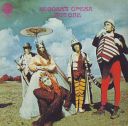
Seedów: 0
Komentarze: 0
Data dodania:
2026-09-22 19:32:31
Rozmiar: 118.00 MB
Peerów: 0
Dodał: Fallen_Angel
Opis
...SIŁA I PIĘKNO MUZYKI TKWIĄ W JEJ RÓŻNORODNOŚCI...
..::OPIS::.. Pierwszy album nagrywającej dla Vertigo Beggars Opera, to jedna z najciekawszych brytyjskich progresywnych formacji z początku lat 70-tych. Art-rockowe, rozimprowizowane granie łączące elementy stylistyki The Nice, Procol Harum, a nawet wczesnego Van der Graafa - z odrobiną hard-rocka. Pierwsze trzy albumy są po prostu niezbędne. Zremasterowana japońska reedycja. Nazareth, Sensetional Alex Harvey Band, The Blue Nile, Simple Minds, Texas, Travis…Szkocka ziemia wydała na (muzyczny) świat wiele dzieci, które zostawiły po sobie ślad w postaci wielce znaczących płyt. Niestety podobnego statusu nie dorobił się najbardziej znaczący, przynajmniej w progresywnym światku, Beggars Opera. Zespół powstał w 1969 roku w Glasgow. Jednakże panowie Gardiner, Griffiths i Erskine nie do końca traktowali muzykowanie na poważnie, gdyż ich głównym zajęciem było praca przy budowaniu części do autostrady M40 łączącej Londyn z Birmingham. Dopiero potem muzycy przeznieśli się do Glasgow i tam uzupełniając skład o klawiszowca i pałkera, rozpoczęli próby w pubie Burns Howff przy West Regent Street. Wysiłek przynosi efekt, formacja trafia pod skrzydła Vertigo Records. Beggars Opera zawsze będę pamiętał za pierwsze dwie płyty z których trudno wskazać tę lepszą. Obie fantastyczne, będące dla klasyką rocka progresywnego. Wybrałem „Act One” gdyż jest według mnie (minimalnie bardziej) porywająca, choć nieco mniej oryginalna. Różnica pomiędzy „Act One”, a „Waters Of Change” tym, że druga z wymienionych pozycji jest bardziej…autorska. Brzmienie wydaje nieco bardziej przejrzyste, nieco bardziej stonowane, ale brakuje troszkę tego pazura z debiutu. „Act One” ma w moim odczuciu sporo z brzmienia wczesnego Deep Purple (na „Waters Of Change” tych naleciałości skutecznie się wyzbyto), tego z inkarnacji z Rodem Evansem i Nickiem Simperem (jest tutaj bowiem troszkę tutaj tej amerykańskiej psychodelii, w którą swego czasu zapatrzony był Ritchie Blackmore) pomieszanego z ekstrawagancją i wirtuozerią The Nice. Jednakże w przeciwieństwe do Purpury, która brała na warsztat kawałki Bitli, czy Ike’a Turnera, panowie z Beggars Opera mieli świetną zabawę – zupełnie jak frakcja Keitha Emersona - we wplataniu najprzeróżniejszych cytatów z muzyki klasycznej, gdyż w tych pięciu (na kompaktowej reedycji – siedmiu*) zamieszczonych na „Act One” kompozycjach przewijają się motywy i z Mozarta i z Bacha i z Rossiniego i z Griega i ze Straussa. Do tego każdy zawarty tutaj numer jest świetnie i efektowanie zagrany. Nie brakuje tutaj ani pomysłowości, ani nienagannego warsztatu, którego esencją jest bezwątpienia „Raymond’s Road”, zdającym się być niczym więcej odpowiedzią na „Rondo” The Nice. Nie brakuje tutaj częstych zmian tempa, wyszukanych solówek... Miód na uszy każdego fana wyszkanych brzmień. Jedynym wyjątkiem wydaje się być singlowy „Sarabande” stylizowany na fragmenty z „The Shades Of Deep Purple” aż za bardzo**. Jednakże nie znalazł się on w podstawowym zestawie krążka, umiejszczony został na nim dopiero jako bonus na reedycji nieodżałowanego Repertiore Records... Nad analizą poszczególnych utworów szkoda czasu się głowić; za dużo i za ciekawie się dzieję, aby rozkładać każdą sekundę „Act One” za części pierwsze. Pęd większości zawartych tu utworów najzwyczajniej w świecie na to nie pozwala. Potem z Beggars Opera nie działo się najlepiej. Wprawdzie zespół odniósł dość umiarkowany sukces na kontynencie (zwłaszcza w RFN, zwieńczony zresztą występem na antenie słynnego „Beat Club”) jednak kilka zmian w szeregach kapeli załamało (zwłaszcza artystyczną) karierę formacji. Niemniej „Act One” pozostaje dla mnie jedynym z najbardziej efekciarskich debiutów w annałach nie tylko rocka progresywnego. Jak na tak młody zespół Beggars Opera zaprezentowali „Act One” jak produkt niezwykle dojrzały i przemyślany. Warsztat – nienaganny, kompozycje – pomysłowe i nietuzinkowe. Trudno się całością nie zachwycić... *dodatkowe utwory to „Sarabande” i „Think”. **"Sarabande" był zresztą pierwszym singlem kapeli stąd (momentami dośc przesadna) nośność utowru jest uzasadniona Paweł Horyszny Beggar's Opera's first album has, with the passage of time, gradually gained belated (but justified) recognition as a truly superb piece of work. The band, which hails from my native homeland (and in fact played at my High school around the time this album was released!), hit the ground running in terms of originality and imagination. "Act one" precedes the Mellotron driven symphonic prog which featured on its immediate successors ("Waters of change" and "Pathfinder"), but is nonetheless heavily influenced by the classics. Consisting of just five tracks, it needs to be remembered that this album was released in the same year as Pink Floyd were moving from psych into prog with "Atom heart Mother", Genesis were only just getting beyond their Jonathan King phase with their first proper album "Trespass", and ELP had just come together and released their first album. With that in mind, it is difficult to explain why those albums have gained legendary status, while "Act one" is all but forgotten. The album opens with "Poet and peasant", which borrows heavily from Franz von Suppe's overture of that name. The track features dominant Hammond organ, and the highly distinctive vocals of Martin Griffiths. The music has something of an early 70's Italian prog feel to it. "Passacaglia" continues in a similar vein, with some Keith Emerson like (The Nice era) organ work, incessant time changes, and vocals through an old radio mike some 30 years before Arena used the same effect on "Contagion". If you listen carefully, you can here the introductory theme to "Sarabande" within the track. "Sarabande" was an excellent non-album single released at the time, which is now included as a bonus track on the CD version. "Memory", the final track on the first side of the LP is the shortest, and weakest track on the album, but it still features some nice lead guitar to close. The second side consist of just two long tracks. "Raymond's Road" is a lengthy instrumental collage of classical pieces played at breakneck speed. Hammond organ once again dominates the track, but the screaming lead guitars and galloping drums make the track reminiscent of Love Sculpture's (Dave Edmunds) mesmerising interpretation of Katchaturian's "Sabre dance". While "Sabre dance" does not actually appear, other classical pieces which do include "Toccata", "Peer gynt", and "William Tell". Tellingly, there's also a brief rendition of "Karelia Suite" which sounds very similar to the Nice's "Five bridges" interpretation. The album closes with another Suppe based piece, "Light cavalry". This is similar in structure to the opening track, with vocals and classical variations. While the band take full credit for the compositions throughout, no attempt is made to disguise the classic pieces which have been borrowed when making the album. Generally, they do not appear to be taking themselves as seriously as say ELP, giving the album a definite air of fun. Heard for the first time today, "Act one" will undoubtedly sound dated. Given it's place in the timeline of prog however, it is a genuine landmark album, full of originality and fine musicianship. It might even be appropriate to classify the album as, dare I say, seminal. A couple of interesting footnotes. The album was produced by Bill Martin and Phil Coulter who wrote many hits songs including Eurovision song contest winner "Puppet on a string" for Sandi Shaw, and runner up "Congratulations" for Sir Clifford of Richard (but don't let that put you off!). It was originally release in 1970 on the Vertigo "swirl" label. First edition LPs in pristine condition with untarnished sleeves are now very collectable, and change hands for exorbitant prices. Easy Livin ..::TRACK-LIST::.. 1. Poet And Peasant 7:11 2. Passacaglia 7:04 3. Memory 3:56 4. Raymond's Road 11:49 5. Light Cavalry 11:55 Bonus Tracks: 6. Sarabande 3:32 7. Think 4:25 ..::OBSADA::.. Martin Griffiths - vocals Alan Park - organ Raymond Wilson - drums Ricky Gardiner - lead guitar Marshall Erskine - bass guitar https://www.youtube.com/watch?v=gKyuhcIPapo SEED 15:00-22:00. POLECAM!!! 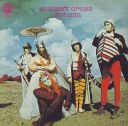
Seedów: 0
Komentarze: 0
Data dodania:
2026-09-22 19:29:00
Rozmiar: 331.25 MB
Peerów: 0
Dodał: Fallen_Angel
Opis
...SIŁA I PIĘKNO MUZYKI TKWIĄ W JEJ RÓŻNORODNOŚCI...
..::OPIS::.. Pierwsza płyta Il Tempio Delle Clessidre wywołała spore poruszenie wśród fanów prog-rocka, głównie włoskiego. Nawet były głosy, szczerze mówiąc całkiem uzasadnione, że był to najlepszy prog-rockowy debiut od dobrych kliku lat. W każdym razie wydane trzy lata temu „Il Tempio delle Clessidre” było dużym wydarzeniem. Być może też dlatego, że śpiewał tu były wokalista najsłynniejszego składu Museo Rosenbach, Stefano „Lupo” Galifi (a na koncertach grali całego „Zarathustrę”!). Dlatego z tym większym zainteresowaniem zająłem się „alieNatura”. Mówi się, że zwykle na pierwszą płytę pracuje się całe życie, a na drugą – to w tym czasie od pierwszej do drugiej. Albo się za bardzo pośpieszyli, albo po prostu nie ma co liczyć na więcej, bo „alieNatura” jednak debiutowi ustępuje. Niestety nie ma już Galifiego i może to też miało jakiś wpływ na efekt końcowy? Który wcale nie jest taki zły, bo to płyta zupełnie porządna – bardzo solidny, bardzo tradycyjny Italo-prog – dłuższe utwory, bardziej rozbudowane, dużo klawiszy i to tych raczej vintage – czyli syntezatory analogowe, mellotron, organy, moog. Oczywiście mocne odniesienia do muzyki klasycznej, ale też do klasycznych wykonawców włoskiego prog-rocka, a przede wszystkim Museo Rosenbach, Banco Delmutuo Soccorso i tym podobnych, a także porządny, dobrze wyszkolony technicznie wokalista o mocnym głosie. Trudno napisać coś więcej o płycie, która jest absolutnie typowa dla swojego gatunku, a jakościowo nie budzi specjalnych zastrzeżeń. Jak widać po czasach utworów dominują rzeczy nieco bardziej rozbudowane i mamy też jedną suitę. Całkiem niezłą, ale w pewnym momencie zaczynała nieco nudzić. Dużo lepiej wypadają krótsze utwory z pierwszej części z najlepszym na płycie „Onirica Possessione”. Początek płyty też jest w jakimś sensie typowy, bo „Kaze” to spokojny instrumetal, łagodnie przechodzący w „Senza Colori”, a takie rozwiązanie możemy znaleźć na wielu progresywnych krążkach. Jako, że mam sporą słabość do Italo-proga, trochę przez palce patrzę na mankamenty „alieNatura” (właściwie jeden podstawowy – muzycznie gorsze od debiutu), a skupiam się raczej na zaletach – rozmach, dobre wykonanie, niezłe melodie., oraz ogólnie dobre wrażenie. Wcale przyjemnie się tego słucha. Solidne siedem gwiazdek. Wojciech Kapała Il Tempio Delle Clessidre is an Italian band formed in 2006 in the Genoa city. The band initially had Stefano 'Lupo' Galifi (original vocalist from Museo Rosenbach), but after the departure of Stefano that went band to reunite with his former band they convened Francesco Ciapica for his place. The rest of the band is still the same, Elisa Montaldo (keyboards and vocals), Fabio Gremo (bass), Giulio Canepa (guitars) and Paolo Tixi (drums). The band have released their second album AlieNatura (2013) by Black Widow Records earlier this year. Black Widow is a specialized label which pretty much focuses on what I like to call 'dark Prog'. If you have no idea what I'm talking about I'll make it easier for you: Gothic influenced Prog. This is their specialty. I started my listening with the nice booklet in hands and when the opening track 'Kaze' begins one can hear strong and well recorded music out of the speakers. This makes you sit down and pay attention immediately. The Japanese sounds that come out of the track are quite hypnotic. The moment of truth comes with the following song 'Senza Colori', the first track of AlieNatura (2013) with vocals. As I mentioned, the Gothic and somber moments are all around here, but at the same time the band has a strong root on the Symphonic Italian style too. The continuation, 'Il Passo', is even more atmospheric and full of little details. Its Symphonic apex lies on the double guitars and a number of great keyboards. Amazing track! The acoustic 'Fino Alla Vetta' is the next piece of music. It's basically a ballad with acoustic guitars till around the 3rd minute of the song. After that it gets a bit heavier, especially because of the organs of Elisa Montaldo. That's when it gets really interesting. 'Onirica Possessione' is a damn strong track! Classic Genesis meets Italian 70's Prog at its best moments. Powerful vocals melodies by Francesco Ciapica and the Symphonic side of Prog Rock speaking really loud. One of the best tracks of the AlieNatura (2013). Weird last part though! 'Notturna' is a smaller interlude with a nature kind of feeling to it, basically commanded by keyboards and Elisa vocals. Beautiful piece of music! The last track on the album is an almost 15 minutes suite with 5 parts called 'Il Cacciatore'. This last song is full of heavy guitars riffs and grim keyboards, that's how it starts really. It's great how they used the vocals between the verses. It helps create a really powerful mood in their music. 'Il Cacciatore' is all about changes and beautiful yet melancholic music. You have to listen with attention but still, you will bang your head with the riffs! Il Tempio Delle Clessidre came as a big surprise to me as I didn't listen their debut album and knew nothing about them. Now I can honestly say that AlieNatura (2013) is one of the most powerful releases of the year! Perfect musicianship, great production and songwriting with a fresh sound. The album is powerful and melodic at the same time as the great Prog albums should be! ProgShine Alienatura is the second album by Il Tempio delle Clessidre and was released in 2013 on the independent label Black Widow Records with a renewed line up featuring Elisa Montaldo (keyboards, vocals), Fabio Gremo (bass, classical guitar, backing vocals), Giulio Canepa (electric and acustic guitar, backing vocals), Paolo Tixi (dums, backing vocals) and Francesco Ciapica (vocals). After the excellent eponymous debut album, the old vocalist Lupo Galifi left the band to join the reformed Museo Rosenbach and Francesco Ciapica stepped in proving that in Italy there's no shortage of excellent singers. All the good qualities of the band's previous album are confirmed here, the overall sound is a wonderful mix of vintage sounds and new ideas and all the compositions are convincing and well performed. Somehow the beautiful art cover by Alessandro Sala depicts in a very effective way the content of the music and lyrics inviting you to wander under the moon, looking for the right balance between your every day life and an alien nature that the contemporary society can't understand. The beautiful opener "Kaze" sets the atmosphere. It's an instrumental track with a touch of exotic mysticism where you can hear lost, distant sounds and voices still blowing in the wind. In fact, kaze is a Japanese word that means wind and the music flows away with many changes, carrying you from east to west, from Oriental waves to echoes of native American rites... By the way, on this track you can hear for a moment the voice of Yoshiko Kase, a Japanese friend of the band and a passionate prog fan. Next comes "Senza colori" (Colourless) that depicts in music and words a man on the edge of a deep personal crises who reflects about his past errors. Slowly part of him gets lost in the spiral of time, his memories get blurred and his hopes melt, suffocated by an oppressive reality. The mood is dark, but never say never! Even when his world seems crumbling down his inner will is still pulsing and pushes him to find a balance to repair what's wrong and to look for that kind of madness that's called Truth... "Il passo" (The step) is another great track that describes a man who's falling down, betrayed by his self confidence and his desire of adventures. He was walking in the mountains, now he can remember nothing but the sound of his steps in the void and the wind blowing around him. He's scared and the night is coming down. Nobody will find him, lost in a solitary ravine, injured, surrounded by the desperate roots of the trees and naked rocks. His rage burns inside his chest as he shouts for the last time... Oh, what a lucky man he was! "Fino alla vetta" (Up to the mountain top) is about hiking in the Alps and tells in music and words about the spiritual experience of a day spent in touch with beautiful, breathtaking panoramas, far from the daily grind. At dawn you can walk to the top breathing fresh air and listening to the melodic sound of soft rain drops falling on the trees until you get lost under a spell, led by the moon, free from the chains of civilization, in harmony with Mother Nature... On the dark, nightmarish "Onirica possessione" (Oneiric possession) the music and lyrics describe in a theatrical way a very troubled night. As the veil of darkness comes down you fall asleep in a vortex of obscure thoughts, then your mind begins to fly across scary, bleak landscapes. You're filled with a strong sense of fear and risk to get lost, eternal prisoner of your madness and of your ill dreams. Then you see a creek in a wood and clear water flowing. Maybe there's another reality, you try to go forward to touch the illusion of a life after death while your thoughts fall down like autumn leaves... But soon you realize that your feet are sinking in the quicksand, the burden of your pain makes you heavy, the curtain opens and a crazy, dramatic play begins... In the last section you can hear the suggestive call of a demon and his false promises interpreted by Elisa Montaldo. "Notturna" (Nocturnal) is a short, dreamy piece where you can fully appreciate Elisa Montaldo lead vocals. Here the music and lyrics depict arcane rites of cosmic harmony under the moon and a myriad of dancing stars, an ethereal celebration in honour of a pagan goddess who speaks of mountains, trees, rocks and of a world where your soul is free to fly high... The magnificent epic "Il cacciatore" (The Hunter) concludes this excellent work in a perfect way. It's divided into five parts and tells the story of a hunter who gets lost in the forest following the tracks of his pray. He's tired, stranded, injured. Who is the pray now? When he meets a wolf he's almost helpless, ha can't use his bow and arrow anymore. But the wolf is merciful and protects him. At last he repents, he understand that shooting down an innocent life is pointless and cruel. So, he becomes a new man who's finally aware of the importance of living in a perfect balance with Mother Nature... Well, a nice fable and another great track! On the whole, this is really a wonderful album, full of passionate melodies, mellow symphonic passages and a pinch of melodramma. I think that this is a real must for every prog lover! andrea ..::TRACK-LIST::.. 1. Kaze (Ciò Che Il Vento Porta Con sé) 04:15 2. Senza Colori 08:30 3. Il Passo 09:25 4. Fino alla Vetta 07:42 5. Onirica Possessione 09:08 6. Notturna 02:40 7. Il Cacciatore 14:50 - La Vera Preda - Volo di Rapace - La Lince - Il Lupo - Il Cacciatore ..::OBSADA::.. Elisa Montaldo - Voice, Keyboards, Piano, Organ, Concertina Giulio Canepa - Guitars Francesco Ciapica - Voice Paolo 'Paolo' Tixi -Drums Fabio Gremo - Bass https://www.youtube.com/watch?v=d_4aG32SfRs SEED 15:00-22:00. POLECAM!!! 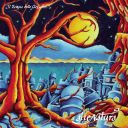
Seedów: 0
Komentarze: 0
Data dodania:
2026-09-15 20:34:52
Rozmiar: 136.11 MB
Peerów: 0
Dodał: Fallen_Angel
Opis
...SIŁA I PIĘKNO MUZYKI TKWIĄ W JEJ RÓŻNORODNOŚCI...
..::OPIS::.. Pierwsza płyta Il Tempio Delle Clessidre wywołała spore poruszenie wśród fanów prog-rocka, głównie włoskiego. Nawet były głosy, szczerze mówiąc całkiem uzasadnione, że był to najlepszy prog-rockowy debiut od dobrych kliku lat. W każdym razie wydane trzy lata temu „Il Tempio delle Clessidre” było dużym wydarzeniem. Być może też dlatego, że śpiewał tu były wokalista najsłynniejszego składu Museo Rosenbach, Stefano „Lupo” Galifi (a na koncertach grali całego „Zarathustrę”!). Dlatego z tym większym zainteresowaniem zająłem się „alieNatura”. Mówi się, że zwykle na pierwszą płytę pracuje się całe życie, a na drugą – to w tym czasie od pierwszej do drugiej. Albo się za bardzo pośpieszyli, albo po prostu nie ma co liczyć na więcej, bo „alieNatura” jednak debiutowi ustępuje. Niestety nie ma już Galifiego i może to też miało jakiś wpływ na efekt końcowy? Który wcale nie jest taki zły, bo to płyta zupełnie porządna – bardzo solidny, bardzo tradycyjny Italo-prog – dłuższe utwory, bardziej rozbudowane, dużo klawiszy i to tych raczej vintage – czyli syntezatory analogowe, mellotron, organy, moog. Oczywiście mocne odniesienia do muzyki klasycznej, ale też do klasycznych wykonawców włoskiego prog-rocka, a przede wszystkim Museo Rosenbach, Banco Delmutuo Soccorso i tym podobnych, a także porządny, dobrze wyszkolony technicznie wokalista o mocnym głosie. Trudno napisać coś więcej o płycie, która jest absolutnie typowa dla swojego gatunku, a jakościowo nie budzi specjalnych zastrzeżeń. Jak widać po czasach utworów dominują rzeczy nieco bardziej rozbudowane i mamy też jedną suitę. Całkiem niezłą, ale w pewnym momencie zaczynała nieco nudzić. Dużo lepiej wypadają krótsze utwory z pierwszej części z najlepszym na płycie „Onirica Possessione”. Początek płyty też jest w jakimś sensie typowy, bo „Kaze” to spokojny instrumetal, łagodnie przechodzący w „Senza Colori”, a takie rozwiązanie możemy znaleźć na wielu progresywnych krążkach. Jako, że mam sporą słabość do Italo-proga, trochę przez palce patrzę na mankamenty „alieNatura” (właściwie jeden podstawowy – muzycznie gorsze od debiutu), a skupiam się raczej na zaletach – rozmach, dobre wykonanie, niezłe melodie., oraz ogólnie dobre wrażenie. Wcale przyjemnie się tego słucha. Solidne siedem gwiazdek. Wojciech Kapała Il Tempio Delle Clessidre is an Italian band formed in 2006 in the Genoa city. The band initially had Stefano 'Lupo' Galifi (original vocalist from Museo Rosenbach), but after the departure of Stefano that went band to reunite with his former band they convened Francesco Ciapica for his place. The rest of the band is still the same, Elisa Montaldo (keyboards and vocals), Fabio Gremo (bass), Giulio Canepa (guitars) and Paolo Tixi (drums). The band have released their second album AlieNatura (2013) by Black Widow Records earlier this year. Black Widow is a specialized label which pretty much focuses on what I like to call 'dark Prog'. If you have no idea what I'm talking about I'll make it easier for you: Gothic influenced Prog. This is their specialty. I started my listening with the nice booklet in hands and when the opening track 'Kaze' begins one can hear strong and well recorded music out of the speakers. This makes you sit down and pay attention immediately. The Japanese sounds that come out of the track are quite hypnotic. The moment of truth comes with the following song 'Senza Colori', the first track of AlieNatura (2013) with vocals. As I mentioned, the Gothic and somber moments are all around here, but at the same time the band has a strong root on the Symphonic Italian style too. The continuation, 'Il Passo', is even more atmospheric and full of little details. Its Symphonic apex lies on the double guitars and a number of great keyboards. Amazing track! The acoustic 'Fino Alla Vetta' is the next piece of music. It's basically a ballad with acoustic guitars till around the 3rd minute of the song. After that it gets a bit heavier, especially because of the organs of Elisa Montaldo. That's when it gets really interesting. 'Onirica Possessione' is a damn strong track! Classic Genesis meets Italian 70's Prog at its best moments. Powerful vocals melodies by Francesco Ciapica and the Symphonic side of Prog Rock speaking really loud. One of the best tracks of the AlieNatura (2013). Weird last part though! 'Notturna' is a smaller interlude with a nature kind of feeling to it, basically commanded by keyboards and Elisa vocals. Beautiful piece of music! The last track on the album is an almost 15 minutes suite with 5 parts called 'Il Cacciatore'. This last song is full of heavy guitars riffs and grim keyboards, that's how it starts really. It's great how they used the vocals between the verses. It helps create a really powerful mood in their music. 'Il Cacciatore' is all about changes and beautiful yet melancholic music. You have to listen with attention but still, you will bang your head with the riffs! Il Tempio Delle Clessidre came as a big surprise to me as I didn't listen their debut album and knew nothing about them. Now I can honestly say that AlieNatura (2013) is one of the most powerful releases of the year! Perfect musicianship, great production and songwriting with a fresh sound. The album is powerful and melodic at the same time as the great Prog albums should be! ProgShine Alienatura is the second album by Il Tempio delle Clessidre and was released in 2013 on the independent label Black Widow Records with a renewed line up featuring Elisa Montaldo (keyboards, vocals), Fabio Gremo (bass, classical guitar, backing vocals), Giulio Canepa (electric and acustic guitar, backing vocals), Paolo Tixi (dums, backing vocals) and Francesco Ciapica (vocals). After the excellent eponymous debut album, the old vocalist Lupo Galifi left the band to join the reformed Museo Rosenbach and Francesco Ciapica stepped in proving that in Italy there's no shortage of excellent singers. All the good qualities of the band's previous album are confirmed here, the overall sound is a wonderful mix of vintage sounds and new ideas and all the compositions are convincing and well performed. Somehow the beautiful art cover by Alessandro Sala depicts in a very effective way the content of the music and lyrics inviting you to wander under the moon, looking for the right balance between your every day life and an alien nature that the contemporary society can't understand. The beautiful opener "Kaze" sets the atmosphere. It's an instrumental track with a touch of exotic mysticism where you can hear lost, distant sounds and voices still blowing in the wind. In fact, kaze is a Japanese word that means wind and the music flows away with many changes, carrying you from east to west, from Oriental waves to echoes of native American rites... By the way, on this track you can hear for a moment the voice of Yoshiko Kase, a Japanese friend of the band and a passionate prog fan. Next comes "Senza colori" (Colourless) that depicts in music and words a man on the edge of a deep personal crises who reflects about his past errors. Slowly part of him gets lost in the spiral of time, his memories get blurred and his hopes melt, suffocated by an oppressive reality. The mood is dark, but never say never! Even when his world seems crumbling down his inner will is still pulsing and pushes him to find a balance to repair what's wrong and to look for that kind of madness that's called Truth... "Il passo" (The step) is another great track that describes a man who's falling down, betrayed by his self confidence and his desire of adventures. He was walking in the mountains, now he can remember nothing but the sound of his steps in the void and the wind blowing around him. He's scared and the night is coming down. Nobody will find him, lost in a solitary ravine, injured, surrounded by the desperate roots of the trees and naked rocks. His rage burns inside his chest as he shouts for the last time... Oh, what a lucky man he was! "Fino alla vetta" (Up to the mountain top) is about hiking in the Alps and tells in music and words about the spiritual experience of a day spent in touch with beautiful, breathtaking panoramas, far from the daily grind. At dawn you can walk to the top breathing fresh air and listening to the melodic sound of soft rain drops falling on the trees until you get lost under a spell, led by the moon, free from the chains of civilization, in harmony with Mother Nature... On the dark, nightmarish "Onirica possessione" (Oneiric possession) the music and lyrics describe in a theatrical way a very troubled night. As the veil of darkness comes down you fall asleep in a vortex of obscure thoughts, then your mind begins to fly across scary, bleak landscapes. You're filled with a strong sense of fear and risk to get lost, eternal prisoner of your madness and of your ill dreams. Then you see a creek in a wood and clear water flowing. Maybe there's another reality, you try to go forward to touch the illusion of a life after death while your thoughts fall down like autumn leaves... But soon you realize that your feet are sinking in the quicksand, the burden of your pain makes you heavy, the curtain opens and a crazy, dramatic play begins... In the last section you can hear the suggestive call of a demon and his false promises interpreted by Elisa Montaldo. "Notturna" (Nocturnal) is a short, dreamy piece where you can fully appreciate Elisa Montaldo lead vocals. Here the music and lyrics depict arcane rites of cosmic harmony under the moon and a myriad of dancing stars, an ethereal celebration in honour of a pagan goddess who speaks of mountains, trees, rocks and of a world where your soul is free to fly high... The magnificent epic "Il cacciatore" (The Hunter) concludes this excellent work in a perfect way. It's divided into five parts and tells the story of a hunter who gets lost in the forest following the tracks of his pray. He's tired, stranded, injured. Who is the pray now? When he meets a wolf he's almost helpless, ha can't use his bow and arrow anymore. But the wolf is merciful and protects him. At last he repents, he understand that shooting down an innocent life is pointless and cruel. So, he becomes a new man who's finally aware of the importance of living in a perfect balance with Mother Nature... Well, a nice fable and another great track! On the whole, this is really a wonderful album, full of passionate melodies, mellow symphonic passages and a pinch of melodramma. I think that this is a real must for every prog lover! andrea ..::TRACK-LIST::.. 1. Kaze (Ciò Che Il Vento Porta Con sé) 04:15 2. Senza Colori 08:30 3. Il Passo 09:25 4. Fino alla Vetta 07:42 5. Onirica Possessione 09:08 6. Notturna 02:40 7. Il Cacciatore 14:50 - La Vera Preda - Volo di Rapace - La Lince - Il Lupo - Il Cacciatore ..::OBSADA::.. Elisa Montaldo - Voice, Keyboards, Piano, Organ, Concertina Giulio Canepa - Guitars Francesco Ciapica - Voice Paolo 'Paolo' Tixi -Drums Fabio Gremo - Bass https://www.youtube.com/watch?v=d_4aG32SfRs SEED 15:00-22:00. POLECAM!!! 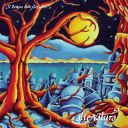
Seedów: 0
Komentarze: 0
Data dodania:
2026-09-15 20:30:36
Rozmiar: 359.94 MB
Peerów: 0
Dodał: Fallen_Angel
Opis
...SIŁA I PIĘKNO MUZYKI TKWIĄ W JEJ RÓŻNORODNOŚCI...
..::OPIS::.. Zremasterowana, świetnie brzmiąca i od wielu lat niedostępna reedycja wydanego w lutym 1973 roku, jedynego albumu zapomnianej, szwajcarskiej grupy. Zespół imponował wysokim poziomem wykonawczym i dojrzałością kompozycji a jednocześnie w umiejętny i różnorodny sposób połączył ciężkie, organowo-gitarowe brzmienie o wyraźnie brytyjskich korzeniach z melodyjnym rockiem. Z jednej strony słychać tutaj wpływy Deep Purple, Uriah Heep, Pink Floyd i Van Der Graaf Generator, ale również francuskich, progresywnych formacji, jak Ange i Triangle. Płyty słucha się jednym tchem, gdyż (za wyjątkiem jednego, 3-minutowego muzycznego żartu) wypełniało ją 'samo gęste'! Dodam tylko, że w drugiej części oryginalnego winylu znalazła się 20-minutowa, progresywna suita! 'Substratum' pozostaje jedną z najciekawszych, choć mało znanych płyt kontynentalnego, europejskiego rocka progresywnego pierwszej połowy lat 70. JL Country Lane were a band from the French-speaking part of Switzerland, hailing from La Chaux-De-Fonds in the Neuchatel district. The band was formed in October 1970 by guitarist Raymond Amey, keyboardist Olivier Maire and rhythm guitarist Freddy Von Kaenel. The next year, after several personnel changes, a rhythm section was added to the original trio: between July and October 1971, bassist GianCarlo Duella and drummer Jean-Francois Donze completed the line-up that was responsible for the band's only album, called "Substratum". Olivier Maire was always aiming at perfection as an instrumentalist. He was born in Bienne on the first of September 1951. Intending to be a doctor in the first place, he nevertheless made rime to learn piano, guitar and organ. His first band experience was with a group called Structures, going on with Country Lane. Tragically, he died in a motorbike accident on a Greek road, a few years after the release of "Substratum'". Raymond Amey was born on the 20th of November 1952 in La Chaux-De- Fonds. An accomplished musician, he was an outstanding performer on both six and twelve-string electric guitars, besides playing synthesizers and kazoo. Furthermore, he proved to be an honest singer and a gifted composer. A photographer in civilian life, he made his musical debut with Rhinos and Next Time, two local bands who achieved some success wav back in the early Seventies. A childhood friend of the aforementioned and a former member of Golden Birds, Freddy Von Kaenel was born in the same town, the same year, yet on the 16th of March. Of course, he played the same instrument... Nevertheless, he soon developed his own style, playing essentially acoustic or twelve-string electric rhythm guitar. He describes himself not without humour as being... '' To Country Lane what wheat flour is to bechamel sauce. ", meaning that he was an efficient binder between the different musical tendencies at work within the band. I Ic also was an established high-level economics. GianCarlo Duella is also a native of La Chaux-De-Fonds. Actually, he was born one year after his buddies, on the 7th of March 1953. He started playing bass quite by chance, shortly before joining Country Lane. Yet, he quickly made great progress, establishing himself as an extremely talented musician who wasn't afraid to call his skills into question. Having music and exhausting high-technology studies on the go at the rime, he usually hides his shyness behind reserve. Born April 16th 1952, Jean-Francois Donze was a self-taught percussionist, who started his drumming career on... Kitchen utensils !!! This happened quite unaffectedly at a rather hectic party together with some close friends. Forever bitten by the percussive bug, he discovered that he was cut out for drumming. He made his debut with Open Road before landing up in Country Lane. He describes himself as a very pleasant human being, who wouldn't be as powerful a performer except for what he calls mischievkmsly " Small outbursts of madness... ". A graphic arts student (He designed the album's inside cover drawing.) and a lover of surrealistic painting and Frank Zappa's music, Jean-Francois Donze is most of all a tireless creative person. As soon as January 1972, Country Lane sorted to compose an original repertoire. The result of a relatively simple collective process, the group's music was created by all five bandmembers, beginning from a basical idea put forward by one of them. As soon as someone's tune sketches were approved by the other four, the themes were fleshed out and embellished into a conclusive song by the band. As for the lyrics, they were written exclusively in Shakespeare's language. Not content with offering an almost perfect performance at each of their gigs, Country Lane indulged themselves in an unfailing relaxed attitude when on stage. The equipment at their disposal was intentionally overabundant, in order to guarantee the quintet all possible means to express their adventurous musical ideas. Prefering to emphasize the music above all, the band gave up the idea of using a wealthy light show or any stage histrionics, contrary to Pink Floyd with whom Country Lane were often compared. The band quickly obtained national recognition, thanks notably to their rock-opera "The Story Of Alan And Pearl", lasting for almost one hour and a half. Let's also point out a memorable gig in their home town of I .a Chaux- De-Fonds on the 10th of June 1972, when they opened the show for Daevid Allen’s Gong and several outstanding performances in Geneva. During one of their stays there, Country Lane won second prize at a bands' contest held at the Black Bird club. The competition, organized over a period of one month by the club's manager Eliane Pade, gathered about thirty acts whose respective values were judged by several record companies' executives. Country Lane were presented the budget necessary to record an album by a well-known Swiss television broadcaster, Marius Berger, together with invitations to perform at noted festivals all over Switzerland. The most expensive Swiss long playing of its era, "Substratum" was eventually recorded at La Chaux-De-Fonds' Soundcraft Studio on the 9th of November 1972, under the supervision of Jean-Pierre Louvin and Chris Penycate. The album was released on the 16th of May 1973, op the Splendid Records label. The band were resolutely opposed to any classification of their work. In their own terms: " Basically, we play the music we love, the genre we feel the most confident within ourselves. " With more straight rock stylings scattered through its songs, the album brings out an anguished lyrical nucleus around which vocals and guitars create an escapist, dreamy climate. The musicians' creativity seems to be constandy stimulated, showcasing their talents and own style to the best advantage. As an attempt to characterize their music, one could speak of a perfect assimilation of the heavy English school made famous by Deep Purple and Uriah Heep, together with the best Anglo- Saxon Progressive Rock, the results sometimes recalling the songs of their Belgian colleagues Waterloo. The album met with favourable reviews from the French-speaking Swiss press. The band were often compared to such different artists as Nektar (Yet in a less experimental manner...), Fairport Convention or Soft Machine. Even if the critics pointed out, albeit with indulgence, at the lack of maturity of some compositions and the band's relative lack of experience, they appreciated Country Lane's artistic qualities and overall freshness, predicting good prospects for them. Sadly, "Substratum" remained the band's only effort, leaving much promises without realisation. Firstly, the album's release coincided with financial problems at Splendid Records, resulting in an obvious lack of energy to promote the record. Moreover, personal differences arose, preventing the band, who were conscious of their slight amateurism, to gig regularly and promote their work by themselves. Gradually, this situation led to the end of their career. A quarter of a century later, the four surviving members of Country Lane have found themselves with various destinies. Most of them have settled down, are family men and, perhaps a sign of the times, have done well in business and their professional undertakings, whereas they held the decadence of the establishment up to ridicule in the distant Seventies. Nevertheless, their intractable spirit has remained in some way: besides being the manager of a computer firm, Raymond Amey has never ceased to write songs. In 1997, he eventually decided to reform a rock group with former local musicians, among whom is his old chum Freddy Von Kaenel himself, nowadays the manager of a foodstuffs firm. Due to Belgian Philippe Collingon and Music Emporium's passion, "Substratum" was first released in CD format some years ago. This one being available no more, Musea gives you a chance to get the remixed version now. Made in a Toulouse studio, the operation let the two meet again with GianCarlo Duella, now a computer engineer living on the shores of the Geneva lake, after spending several months studying in the United States of America. Jean-Francois Donze sadly couldn't attend the reunion, suffering from multiple sclerosis. A divorced and childless man, he creates his own models of (Swiss !) watches for reputed trademarks. Some twenty-seven years after its only album release, Country Lane remains a good example of those little known, yet multitalented bands, swarming all over Europe in the Seventies and often displaying fresh ideas and enthusiasm far beyond their financial means. As for Country Lane their effort looks all the more remarkable since Switzerland wasn't overflowing with Progressive bands at the time. Welcome wouldn't emerge before two or three years, whilst keyboards wizzard Patrick Moraz essentially made a name for himself in the United Kingdom and abroad. From this point of view, Raymond Amey, reveals a lesser known side of the Progressive Rock history, outof- the-way for most listeners a too long time. Jean-Pierre Louvin, Freddy Von Kaenel and Raymond Amey ..::TRACK-LIST::.. 1. With A Sweet Whistle To My Ears 6:13 2. It's Only Your Memory Playing Just The Thought Of A First Love 2:22 3. Substratum 2:40 4. In The Morning Sun 3:17 5. Good Old Time 2:29 6. The Disgusting Story Of The Captain Bloom - Song To Ivan 5:25 - Letter To A Friend 7:35 - Captain Bloom 2:24 - Lilliput's Safari 2:07 ..::OBSADA::.. Guitar, Synthesizer, Kazoo, Vocals - Raymond Amey Organ, Spinet, Piano, Vocals (tracks: 5) - Olivier Maire Bass - GianCarlo Duella Drums, Percussion, Bongos - Jean-François Donze Rhythm Guitar, Banjo - Freddy Von Kaenel https://www.youtube.com/watch?v=MiKuYsTzsx4 SEED 15:00-22:00. POLECAM!!! 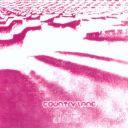
Seedów: 0
Komentarze: 0
Data dodania:
2026-09-12 17:01:05
Rozmiar: 83.87 MB
Peerów: 0
Dodał: Fallen_Angel
Opis
...SIŁA I PIĘKNO MUZYKI TKWIĄ W JEJ RÓŻNORODNOŚCI...
..::OPIS::.. Zremasterowana, świetnie brzmiąca i od wielu lat niedostępna reedycja wydanego w lutym 1973 roku, jedynego albumu zapomnianej, szwajcarskiej grupy. Zespół imponował wysokim poziomem wykonawczym i dojrzałością kompozycji a jednocześnie w umiejętny i różnorodny sposób połączył ciężkie, organowo-gitarowe brzmienie o wyraźnie brytyjskich korzeniach z melodyjnym rockiem. Z jednej strony słychać tutaj wpływy Deep Purple, Uriah Heep, Pink Floyd i Van Der Graaf Generator, ale również francuskich, progresywnych formacji, jak Ange i Triangle. Płyty słucha się jednym tchem, gdyż (za wyjątkiem jednego, 3-minutowego muzycznego żartu) wypełniało ją 'samo gęste'! Dodam tylko, że w drugiej części oryginalnego winylu znalazła się 20-minutowa, progresywna suita! 'Substratum' pozostaje jedną z najciekawszych, choć mało znanych płyt kontynentalnego, europejskiego rocka progresywnego pierwszej połowy lat 70. JL Country Lane were a band from the French-speaking part of Switzerland, hailing from La Chaux-De-Fonds in the Neuchatel district. The band was formed in October 1970 by guitarist Raymond Amey, keyboardist Olivier Maire and rhythm guitarist Freddy Von Kaenel. The next year, after several personnel changes, a rhythm section was added to the original trio: between July and October 1971, bassist GianCarlo Duella and drummer Jean-Francois Donze completed the line-up that was responsible for the band's only album, called "Substratum". Olivier Maire was always aiming at perfection as an instrumentalist. He was born in Bienne on the first of September 1951. Intending to be a doctor in the first place, he nevertheless made rime to learn piano, guitar and organ. His first band experience was with a group called Structures, going on with Country Lane. Tragically, he died in a motorbike accident on a Greek road, a few years after the release of "Substratum'". Raymond Amey was born on the 20th of November 1952 in La Chaux-De- Fonds. An accomplished musician, he was an outstanding performer on both six and twelve-string electric guitars, besides playing synthesizers and kazoo. Furthermore, he proved to be an honest singer and a gifted composer. A photographer in civilian life, he made his musical debut with Rhinos and Next Time, two local bands who achieved some success wav back in the early Seventies. A childhood friend of the aforementioned and a former member of Golden Birds, Freddy Von Kaenel was born in the same town, the same year, yet on the 16th of March. Of course, he played the same instrument... Nevertheless, he soon developed his own style, playing essentially acoustic or twelve-string electric rhythm guitar. He describes himself not without humour as being... '' To Country Lane what wheat flour is to bechamel sauce. ", meaning that he was an efficient binder between the different musical tendencies at work within the band. I Ic also was an established high-level economics. GianCarlo Duella is also a native of La Chaux-De-Fonds. Actually, he was born one year after his buddies, on the 7th of March 1953. He started playing bass quite by chance, shortly before joining Country Lane. Yet, he quickly made great progress, establishing himself as an extremely talented musician who wasn't afraid to call his skills into question. Having music and exhausting high-technology studies on the go at the rime, he usually hides his shyness behind reserve. Born April 16th 1952, Jean-Francois Donze was a self-taught percussionist, who started his drumming career on... Kitchen utensils !!! This happened quite unaffectedly at a rather hectic party together with some close friends. Forever bitten by the percussive bug, he discovered that he was cut out for drumming. He made his debut with Open Road before landing up in Country Lane. He describes himself as a very pleasant human being, who wouldn't be as powerful a performer except for what he calls mischievkmsly " Small outbursts of madness... ". A graphic arts student (He designed the album's inside cover drawing.) and a lover of surrealistic painting and Frank Zappa's music, Jean-Francois Donze is most of all a tireless creative person. As soon as January 1972, Country Lane sorted to compose an original repertoire. The result of a relatively simple collective process, the group's music was created by all five bandmembers, beginning from a basical idea put forward by one of them. As soon as someone's tune sketches were approved by the other four, the themes were fleshed out and embellished into a conclusive song by the band. As for the lyrics, they were written exclusively in Shakespeare's language. Not content with offering an almost perfect performance at each of their gigs, Country Lane indulged themselves in an unfailing relaxed attitude when on stage. The equipment at their disposal was intentionally overabundant, in order to guarantee the quintet all possible means to express their adventurous musical ideas. Prefering to emphasize the music above all, the band gave up the idea of using a wealthy light show or any stage histrionics, contrary to Pink Floyd with whom Country Lane were often compared. The band quickly obtained national recognition, thanks notably to their rock-opera "The Story Of Alan And Pearl", lasting for almost one hour and a half. Let's also point out a memorable gig in their home town of I .a Chaux- De-Fonds on the 10th of June 1972, when they opened the show for Daevid Allen’s Gong and several outstanding performances in Geneva. During one of their stays there, Country Lane won second prize at a bands' contest held at the Black Bird club. The competition, organized over a period of one month by the club's manager Eliane Pade, gathered about thirty acts whose respective values were judged by several record companies' executives. Country Lane were presented the budget necessary to record an album by a well-known Swiss television broadcaster, Marius Berger, together with invitations to perform at noted festivals all over Switzerland. The most expensive Swiss long playing of its era, "Substratum" was eventually recorded at La Chaux-De-Fonds' Soundcraft Studio on the 9th of November 1972, under the supervision of Jean-Pierre Louvin and Chris Penycate. The album was released on the 16th of May 1973, op the Splendid Records label. The band were resolutely opposed to any classification of their work. In their own terms: " Basically, we play the music we love, the genre we feel the most confident within ourselves. " With more straight rock stylings scattered through its songs, the album brings out an anguished lyrical nucleus around which vocals and guitars create an escapist, dreamy climate. The musicians' creativity seems to be constandy stimulated, showcasing their talents and own style to the best advantage. As an attempt to characterize their music, one could speak of a perfect assimilation of the heavy English school made famous by Deep Purple and Uriah Heep, together with the best Anglo- Saxon Progressive Rock, the results sometimes recalling the songs of their Belgian colleagues Waterloo. The album met with favourable reviews from the French-speaking Swiss press. The band were often compared to such different artists as Nektar (Yet in a less experimental manner...), Fairport Convention or Soft Machine. Even if the critics pointed out, albeit with indulgence, at the lack of maturity of some compositions and the band's relative lack of experience, they appreciated Country Lane's artistic qualities and overall freshness, predicting good prospects for them. Sadly, "Substratum" remained the band's only effort, leaving much promises without realisation. Firstly, the album's release coincided with financial problems at Splendid Records, resulting in an obvious lack of energy to promote the record. Moreover, personal differences arose, preventing the band, who were conscious of their slight amateurism, to gig regularly and promote their work by themselves. Gradually, this situation led to the end of their career. A quarter of a century later, the four surviving members of Country Lane have found themselves with various destinies. Most of them have settled down, are family men and, perhaps a sign of the times, have done well in business and their professional undertakings, whereas they held the decadence of the establishment up to ridicule in the distant Seventies. Nevertheless, their intractable spirit has remained in some way: besides being the manager of a computer firm, Raymond Amey has never ceased to write songs. In 1997, he eventually decided to reform a rock group with former local musicians, among whom is his old chum Freddy Von Kaenel himself, nowadays the manager of a foodstuffs firm. Due to Belgian Philippe Collingon and Music Emporium's passion, "Substratum" was first released in CD format some years ago. This one being available no more, Musea gives you a chance to get the remixed version now. Made in a Toulouse studio, the operation let the two meet again with GianCarlo Duella, now a computer engineer living on the shores of the Geneva lake, after spending several months studying in the United States of America. Jean-Francois Donze sadly couldn't attend the reunion, suffering from multiple sclerosis. A divorced and childless man, he creates his own models of (Swiss !) watches for reputed trademarks. Some twenty-seven years after its only album release, Country Lane remains a good example of those little known, yet multitalented bands, swarming all over Europe in the Seventies and often displaying fresh ideas and enthusiasm far beyond their financial means. As for Country Lane their effort looks all the more remarkable since Switzerland wasn't overflowing with Progressive bands at the time. Welcome wouldn't emerge before two or three years, whilst keyboards wizzard Patrick Moraz essentially made a name for himself in the United Kingdom and abroad. From this point of view, Raymond Amey, reveals a lesser known side of the Progressive Rock history, outof- the-way for most listeners a too long time. Jean-Pierre Louvin, Freddy Von Kaenel and Raymond Amey ..::TRACK-LIST::.. 1. With A Sweet Whistle To My Ears 6:13 2. It's Only Your Memory Playing Just The Thought Of A First Love 2:22 3. Substratum 2:40 4. In The Morning Sun 3:17 5. Good Old Time 2:29 6. The Disgusting Story Of The Captain Bloom - Song To Ivan 5:25 - Letter To A Friend 7:35 - Captain Bloom 2:24 - Lilliput's Safari 2:07 ..::OBSADA::.. Guitar, Synthesizer, Kazoo, Vocals - Raymond Amey Organ, Spinet, Piano, Vocals (tracks: 5) - Olivier Maire Bass - GianCarlo Duella Drums, Percussion, Bongos - Jean-François Donze Rhythm Guitar, Banjo - Freddy Von Kaenel https://www.youtube.com/watch?v=MiKuYsTzsx4 SEED 15:00-22:00. POLECAM!!! 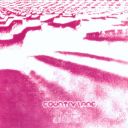
Seedów: 0
Komentarze: 0
Data dodania:
2026-09-12 16:56:48
Rozmiar: 236.16 MB
Peerów: 0
Dodał: Fallen_Angel
Opis
...SIŁA I PIĘKNO MUZYKI TKWIĄ W JEJ RÓŻNORODNOŚCI...
..::OPIS::.. To klasyczny rock progresywny z elementami hard rocka i folku, wszystko wrzucone do kotła lat 70. i zmieszane z miłością. To typ albumu, który sprawia, że słuchacz na nowo zakochuje się w tym gatunku. Nie brzmi to jak album z 2026 roku, ale raczej jak zaginione arcydzieło sprzed 50 lat... 'Pestkrønikene' to piękna, dziwna, a momentami wręcz dzika podróż przez folkowy mistycyzm, psychodeliczne brzmienia i inspirowany latami 70. rock progresywny. BRYLANT!!! JORDSJØ released their first tape in 2015. With the fourth tape, 2017’s Jord, the band got a wider audience outside their native Norway and subsequently released full-lengths on such labels as Karisma, Pancromatic, and Apollon. The band works as a duo in the studio, but for the last eight years, they have played live as a quintet. JORDSJØ are led by multi-instrumentalist Håkon Oftung, who has been a part of Oslo’s psychedelic, progressive, and heavy rock undergrounds for many years, and has played in Black Magic, Tusmørke, The Chronicles of Father Robin, Wobbler, Zenon, and labelmates FLIGHT to mention but a few. He’s joined by longtime companion and childhood friend Kristian Frøland, who plays drums and percussion, and also produced and mixed Pestkrønikene. Pestkrønikene is a part of JORDSJØ’s 10-year anniversary, and their ninth release overall. The record started out as a compilation of studio outtakes from 2020-2025, but then took on a form of its own, with the songs linked together thematically. Lyrically, those themes reflect war, upheaval, the fall of kings and the rise of a new dawn, and cults and sects. Sonically, Pestkrønikene encapsulates the JORDSJØ experience as well as extends beyond it. Mythical and magickal, the album honors the band’s background in hard rock and heavy metal, and combines this with their own analog and organic blend of progressive / psychedelic folk rock. To say that band and record, both in general, blend ‘70s heavy rock like Deep Purple, Rush, and Ashbury with the progressive landscapes of Gentle Giant, Høst, and Landberk somewhat undersells JORDSJØ’s particular headspace. The soothingly otherworldly atmosphere sounds incredibly era-authentic but, more so, exists in a parallel universe worth revisiting over and over again; truly, new details and vistas open up with each spin, even with the soundfield being lushly Spartan. To make that anniversary all the sweeter, JORDSJØ are here joined by a few amazing guests: Jon Henriksen from Black Magic, Kristian Valbo from Obliteration / Aura Noir, and Andreas Prestmo and Lars Fredrik Frøislie from Wobbler. Sonic alchemy, Pestkrønikene is. Succinct yet deceptively expansive at just 36 minutes, Pestkrønikene is a generous feast of fantastical, extra-dimensional exploration. While not “heavy” in the usual DYING VICTIMS sense, JORDSJØ honor the old ways – handmade, honest, even heroic. This is completely unexpected. A heavy prog Jordsjø. They were never known to be this heavy but on Pestkrønikene they do just that. Musically it has more in common with the likes of Deep Purple, Uriah Heep, Atomic Rooster, even Rush than anything else they have ever done. There were bands like Black Bonzo from Sweden and Standarte from Italy that played this sort of stuff who did similar kind of retro heavy rock who let everyone know who were their big inspiration. Jordsjø still keeps Håkon Oftung and Kristian Frøland as usual but the guests include Jon Henriksen of Black Magic (who contributes two songs, one of them amusingly called "White Magic"), Lars Fredrik Frøislie, Andreas Prestmo and Kristian Valbo. All these recordings are from 2020 to 2025 and they're obviously from sessions with material that would never fit with the albums they were working on like Pastoralia and Salighet. What's shocking is the musical approach. It's much more direct and heavy, with much more aggressive guitar and heavily fuzzed organ. This is all a very accessible album as well but it's clear they are channeling the heavy rock greats of the past. While Jon Henriksen and Andreas Prestmo contribute vocals to many of the songs, the songs that Håkon sing on has a much more aggressive vocal approach which is nothing that I expected from him as he always gave me the impression he was an introvert as the standard Jordsjø music sounded like music for introverts. I am happy to finally got the wish to see Lars Fredrik Frøislie making a guest here, I knew it was a matter of time. He provides a great Moog solo on "Kaosveldets Endelikt". All the vocals are in English except for the title track. With this album it's very hard telling if this is a one-off because it truly is nothing like anything they ever done before. Only "Kaosvelde - Vasallens Elegi" hearkens back to the more conventional Jordsjø sound, and it's instrumental. I have to say I've been more partial to their usual sound, Nattfiolen is by far my favorite and I'd throw in Kontraster as my favorite as well even though they only contributed one half of it. Still what they did on Pestkrønikene was great and is not your typical Jordsjø. I know this album will throw off longtime fans but if you fancy the idea of a heavy Jordsjø, give it a try, it's nothing like they ever did before and they did a great job at it. Progfan97402 ..::TRACK-LIST::.. 1. Pestkrønikene 04:29 2. White Magic (feat. Jon A. Henriksen) 04:42 3. Seven Heads 04:36 4. Kaosvelde - Vasallens Elegi 03:14 5. Kaosveldets Endelikt (feat. Lars Fredrik Frøislie) 03:17 6. The Awakened (feat. Andreas Prestmo) 04:17 7. Spiritual Lament (feat. Kristian Valbo) 05:41 8. Talisman II (feat. Jon A. Henriksen) 04:57 ..::OBSADA::.. Håkon Oftung - vocals, guitars, flute, keyboards Kristian Frøland - drums & percussion With: Jon A. Henriksen - vocals (2,8), tambourine (2) Lars Fredrik Frøislie - Minimoog Model D (5) Andreas Prestmo - vocals (6) Kristian Valbo - drums (7) https://www.youtube.com/watch?v=84rQHfBmyy8 SEED 15:00-22:00. POLECAM!!! 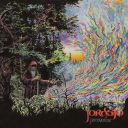
Seedów: 0
Komentarze: 0
Data dodania:
2026-09-08 20:16:15
Rozmiar: 87.11 MB
Peerów: 0
Dodał: Fallen_Angel
Opis
...SIŁA I PIĘKNO MUZYKI TKWIĄ W JEJ RÓŻNORODNOŚCI...
..::OPIS::.. To klasyczny rock progresywny z elementami hard rocka i folku, wszystko wrzucone do kotła lat 70. i zmieszane z miłością. To typ albumu, który sprawia, że słuchacz na nowo zakochuje się w tym gatunku. Nie brzmi to jak album z 2026 roku, ale raczej jak zaginione arcydzieło sprzed 50 lat... 'Pestkrønikene' to piękna, dziwna, a momentami wręcz dzika podróż przez folkowy mistycyzm, psychodeliczne brzmienia i inspirowany latami 70. rock progresywny. BRYLANT!!! JORDSJØ released their first tape in 2015. With the fourth tape, 2017’s Jord, the band got a wider audience outside their native Norway and subsequently released full-lengths on such labels as Karisma, Pancromatic, and Apollon. The band works as a duo in the studio, but for the last eight years, they have played live as a quintet. JORDSJØ are led by multi-instrumentalist Håkon Oftung, who has been a part of Oslo’s psychedelic, progressive, and heavy rock undergrounds for many years, and has played in Black Magic, Tusmørke, The Chronicles of Father Robin, Wobbler, Zenon, and labelmates FLIGHT to mention but a few. He’s joined by longtime companion and childhood friend Kristian Frøland, who plays drums and percussion, and also produced and mixed Pestkrønikene. Pestkrønikene is a part of JORDSJØ’s 10-year anniversary, and their ninth release overall. The record started out as a compilation of studio outtakes from 2020-2025, but then took on a form of its own, with the songs linked together thematically. Lyrically, those themes reflect war, upheaval, the fall of kings and the rise of a new dawn, and cults and sects. Sonically, Pestkrønikene encapsulates the JORDSJØ experience as well as extends beyond it. Mythical and magickal, the album honors the band’s background in hard rock and heavy metal, and combines this with their own analog and organic blend of progressive / psychedelic folk rock. To say that band and record, both in general, blend ‘70s heavy rock like Deep Purple, Rush, and Ashbury with the progressive landscapes of Gentle Giant, Høst, and Landberk somewhat undersells JORDSJØ’s particular headspace. The soothingly otherworldly atmosphere sounds incredibly era-authentic but, more so, exists in a parallel universe worth revisiting over and over again; truly, new details and vistas open up with each spin, even with the soundfield being lushly Spartan. To make that anniversary all the sweeter, JORDSJØ are here joined by a few amazing guests: Jon Henriksen from Black Magic, Kristian Valbo from Obliteration / Aura Noir, and Andreas Prestmo and Lars Fredrik Frøislie from Wobbler. Sonic alchemy, Pestkrønikene is. Succinct yet deceptively expansive at just 36 minutes, Pestkrønikene is a generous feast of fantastical, extra-dimensional exploration. While not “heavy” in the usual DYING VICTIMS sense, JORDSJØ honor the old ways – handmade, honest, even heroic. This is completely unexpected. A heavy prog Jordsjø. They were never known to be this heavy but on Pestkrønikene they do just that. Musically it has more in common with the likes of Deep Purple, Uriah Heep, Atomic Rooster, even Rush than anything else they have ever done. There were bands like Black Bonzo from Sweden and Standarte from Italy that played this sort of stuff who did similar kind of retro heavy rock who let everyone know who were their big inspiration. Jordsjø still keeps Håkon Oftung and Kristian Frøland as usual but the guests include Jon Henriksen of Black Magic (who contributes two songs, one of them amusingly called "White Magic"), Lars Fredrik Frøislie, Andreas Prestmo and Kristian Valbo. All these recordings are from 2020 to 2025 and they're obviously from sessions with material that would never fit with the albums they were working on like Pastoralia and Salighet. What's shocking is the musical approach. It's much more direct and heavy, with much more aggressive guitar and heavily fuzzed organ. This is all a very accessible album as well but it's clear they are channeling the heavy rock greats of the past. While Jon Henriksen and Andreas Prestmo contribute vocals to many of the songs, the songs that Håkon sing on has a much more aggressive vocal approach which is nothing that I expected from him as he always gave me the impression he was an introvert as the standard Jordsjø music sounded like music for introverts. I am happy to finally got the wish to see Lars Fredrik Frøislie making a guest here, I knew it was a matter of time. He provides a great Moog solo on "Kaosveldets Endelikt". All the vocals are in English except for the title track. With this album it's very hard telling if this is a one-off because it truly is nothing like anything they ever done before. Only "Kaosvelde - Vasallens Elegi" hearkens back to the more conventional Jordsjø sound, and it's instrumental. I have to say I've been more partial to their usual sound, Nattfiolen is by far my favorite and I'd throw in Kontraster as my favorite as well even though they only contributed one half of it. Still what they did on Pestkrønikene was great and is not your typical Jordsjø. I know this album will throw off longtime fans but if you fancy the idea of a heavy Jordsjø, give it a try, it's nothing like they ever did before and they did a great job at it. Progfan97402 ..::TRACK-LIST::.. 1. Pestkrønikene 04:29 2. White Magic (feat. Jon A. Henriksen) 04:42 3. Seven Heads 04:36 4. Kaosvelde - Vasallens Elegi 03:14 5. Kaosveldets Endelikt (feat. Lars Fredrik Frøislie) 03:17 6. The Awakened (feat. Andreas Prestmo) 04:17 7. Spiritual Lament (feat. Kristian Valbo) 05:41 8. Talisman II (feat. Jon A. Henriksen) 04:57 ..::OBSADA::.. Håkon Oftung - vocals, guitars, flute, keyboards Kristian Frøland - drums & percussion With: Jon A. Henriksen - vocals (2,8), tambourine (2) Lars Fredrik Frøislie - Minimoog Model D (5) Andreas Prestmo - vocals (6) Kristian Valbo - drums (7) https://www.youtube.com/watch?v=84rQHfBmyy8 SEED 15:00-22:00. POLECAM!!! 
Seedów: 0
Komentarze: 0
Data dodania:
2026-09-08 20:10:25
Rozmiar: 233.41 MB
Peerów: 0
Dodał: Fallen_Angel
Opis
...SIŁA I PIĘKNO MUZYKI TKWIĄ W JEJ RÓŻNORODNOŚCI...
..::OPIS::.. Nowa, zremasterowana, limitowana, europejska edycja nagranego jesienią 1972 a wydanego przez Polydor w marcu 1973 trzeciego (i ostatniego, doskonałego) albumu Holendrów grających stylowego rocka progresywnego z najwyższej półki w stylistyce Pink Floyd, Camel, starych Genesis, The Moody Blues i Focus - ze świetnym, żeńskim wokalem. Tak jak w przypadku CD 'Songs Of The Marching Children' (również wydanego ostatnio z bonusami przez Prog Gems) jedną stronę płyty wypełnia genialna, chyba jeszcze lepsza, zachwycająca 17-minutowa suita łącząca obłędną melodykę z progresywnym kanonem. Wszyscy fani klasycznego prog-rocka (zawodzące, ale mocno brzmiące gitary, analogowy syntezator, organy Hammonda, mellotron, mroczne klimaty) będą zachwyceni i wiem, co piszę, gdyż na przestrzeni lat mocno nie doceniałem tego albumu! Dodatkowo do płytki dołączono 7 nagrań - w tym B-stronę singla z 1974 oraz blisko 40-minutowy fragment świetnego koncertu z marca 1974 pochodzącego z archiwum oryginalnego dźwiękowca grupy. Niestety, po 1975 roku (po fajnej czwartej płycie) zespół zwrócił się ku muzyce pop i nieco zszargał reputację bycia wraz z Focus najlepszą, moim zdaniem, progresywną grupą z Holandii! Dźwięk jest doskonały i oczywiście bije na głowę pozbawione życia wersje z youtube czy spotify. JL ..::TRACK-LIST::.. 1. Atlantis 16:23 - Prelude - Prologue (Don't Know) - Rise And Fall (Under A Cloudy Sky) - Theme Of Atlantis - The Threat (Suddenly) - Destructions (Rumbling From Inside The Earth) - Epilogue (Don't Know) 2. Maybe Tomorrow, Maybe Tonight 3:12 3. Interlude 1:57 4. Fanfare 6:03 5. Theme From Atlantis 1:50 6. Love, Please Close The Door 4:11 Bonus Tracks: 7. Tuffy The Cat (Single B-side, 1974) 3:14 8. Song Of The Marching Children (Live) 19:45 9. Atlantis / In The Mountains (Live) 6:48 10. Fanfare (Live) 6:24 11. Theme From Atlantis (Live) 3:00 12. Maybe Tomorrow, Maybe Tonight (Live) 2:04 13. She Has Funny Cars (Live in Berlin, Autumn 1971) 4:28 ..::OBSADA::.. Organ, Mellotron, Piano, Synthesizer, Flute, Virginal - Gerard Koerts Bass Guitar - Hans Ziech Drums, Percussion - Ton v. d. Kleij Electric Guitar, Acoustic Guitar, Vocals - Chris Koerts Lead Vocals - Jerney Kaagman https://www.youtube.com/watch?v=NkpFaKhR0_o SEED 15:00-22:00. POLECAM!!! 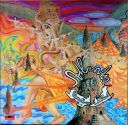
Seedów: 0
Komentarze: 0
Data dodania:
2026-09-07 20:41:51
Rozmiar: 184.42 MB
Peerów: 0
Dodał: Fallen_Angel
Opis
...SIŁA I PIĘKNO MUZYKI TKWIĄ W JEJ RÓŻNORODNOŚCI...
..::OPIS::.. Nowa, zremasterowana, limitowana, europejska edycja nagranego jesienią 1972 a wydanego przez Polydor w marcu 1973 trzeciego (i ostatniego, doskonałego) albumu Holendrów grających stylowego rocka progresywnego z najwyższej półki w stylistyce Pink Floyd, Camel, starych Genesis, The Moody Blues i Focus - ze świetnym, żeńskim wokalem. Tak jak w przypadku CD 'Songs Of The Marching Children' (również wydanego ostatnio z bonusami przez Prog Gems) jedną stronę płyty wypełnia genialna, chyba jeszcze lepsza, zachwycająca 17-minutowa suita łącząca obłędną melodykę z progresywnym kanonem. Wszyscy fani klasycznego prog-rocka (zawodzące, ale mocno brzmiące gitary, analogowy syntezator, organy Hammonda, mellotron, mroczne klimaty) będą zachwyceni i wiem, co piszę, gdyż na przestrzeni lat mocno nie doceniałem tego albumu! Dodatkowo do płytki dołączono 7 nagrań - w tym B-stronę singla z 1974 oraz blisko 40-minutowy fragment świetnego koncertu z marca 1974 pochodzącego z archiwum oryginalnego dźwiękowca grupy. Niestety, po 1975 roku (po fajnej czwartej płycie) zespół zwrócił się ku muzyce pop i nieco zszargał reputację bycia wraz z Focus najlepszą, moim zdaniem, progresywną grupą z Holandii! Dźwięk jest doskonały i oczywiście bije na głowę pozbawione życia wersje z youtube czy spotify. JL ..::TRACK-LIST::.. 1. Atlantis 16:23 - Prelude - Prologue (Don't Know) - Rise And Fall (Under A Cloudy Sky) - Theme Of Atlantis - The Threat (Suddenly) - Destructions (Rumbling From Inside The Earth) - Epilogue (Don't Know) 2. Maybe Tomorrow, Maybe Tonight 3:12 3. Interlude 1:57 4. Fanfare 6:03 5. Theme From Atlantis 1:50 6. Love, Please Close The Door 4:11 Bonus Tracks: 7. Tuffy The Cat (Single B-side, 1974) 3:14 8. Song Of The Marching Children (Live) 19:45 9. Atlantis / In The Mountains (Live) 6:48 10. Fanfare (Live) 6:24 11. Theme From Atlantis (Live) 3:00 12. Maybe Tomorrow, Maybe Tonight (Live) 2:04 13. She Has Funny Cars (Live in Berlin, Autumn 1971) 4:28 ..::OBSADA::.. Organ, Mellotron, Piano, Synthesizer, Flute, Virginal - Gerard Koerts Bass Guitar - Hans Ziech Drums, Percussion - Ton v. d. Kleij Electric Guitar, Acoustic Guitar, Vocals - Chris Koerts Lead Vocals - Jerney Kaagman https://www.youtube.com/watch?v=NkpFaKhR0_o SEED 15:00-22:00. POLECAM!!! 
Seedów: 0
Komentarze: 0
Data dodania:
2026-09-07 20:37:24
Rozmiar: 484.49 MB
Peerów: 0
Dodał: Fallen_Angel
Opis
...SIŁA I PIĘKNO MUZYKI TKWIĄ W JEJ RÓŻNORODNOŚCI...
..::OPIS::.. Album 'Tongues In Aspic' Larks z 1973 roku jest powszechnie uważany za jeden z najwspanialszych albumów King Crimson. Dzięki surowemu brzmieniu, natchnionym improwizacjom i mocnym, nieregularnym rytmom, album ten stanowił radykalną zmianę w twórczości tej najbardziej nowatorskiej grupy. Był to pierwszy zespół, w którego składzie znaleźli się Bill Bruford i John Wetton. As well as providing the album itself in its original mix and in the updated mix by Steven Wilson and Robert Fripp (a fairly tasteful, light update which doesn't mess too much with perfection), this continues the run of Crimson boxed sets which come stuffed with live sets from the relevant lineup. This box is hampered somewhat by two factors: Jamie Muir really wasn't in the band that long, disappearing shortly after the studio album was done, and the band didn't do many soundboard tapes during this era (the Guildford Civic Hall gig being a happy exception). That means that most of the live sets here hail from audience cassettes, which are somewhat varied in their quality as you might imagine. Some of them are pretty good - with the Zoom Club and Hull Technical College tapes at least sounding better than Earthbound, and offering full sets. (It helps a lot that the chaotic music that Crimson presents here suffers less from a lo-fi presentation than, say, the material that the Islands-era lineup were performing.) And the Beat Club tape is a live- in-the-TV-studio affair, so that sounds great. At the other end of the spectrum, the Glasgow Green's Playhouse and Portsmouth Guildhall tapes are really not good - to the point where even the high quality of the music itself couldn't save them as it did with some of the other audience tapes. Still, overall the good outweighs the bad in this collection, and it's well worth it if you love the Larks' Tongues material, want some really massive improvs featuring that lineup, and have a tolerance for sometimes dodgy sound quality. Warthur ..::TRACK-LIST::.. Germany - October 1972 CD 2: The Zoom Club, Frankfurt - October 13, 1972 [36:37] 1. Easy Money 4:08 2. Improv : Fallen Angel 4:12 3. Improv : Z'Zoom 4:47 4. Exiles 8:36 5. The Talking Drum 6:13 6. Larks' Tongues In Aspic (Part II) 8:37 ..::OBSADA::.. Guitar, Mellotron - Robert Fripp Percussion [& Allsorts] - Jamie Muir Bass Guitar, Vocals - John Wetton Violin, Flute, Mellotron - David Cross Drums - Bill Bruford https://www.youtube.com/watch?v=wPizJobn3DQ SEED 15:00-22:00. POLECAM!!! 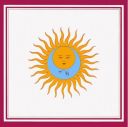
Seedów: 0
Komentarze: 0
Data dodania:
2026-09-06 18:14:16
Rozmiar: 84.97 MB
Peerów: 0
Dodał: Fallen_Angel
Opis
...SIŁA I PIĘKNO MUZYKI TKWIĄ W JEJ RÓŻNORODNOŚCI...
..::OPIS::.. Album 'Tongues In Aspic' Larks z 1973 roku jest powszechnie uważany za jeden z najwspanialszych albumów King Crimson. Dzięki surowemu brzmieniu, natchnionym improwizacjom i mocnym, nieregularnym rytmom, album ten stanowił radykalną zmianę w twórczości tej najbardziej nowatorskiej grupy. Był to pierwszy zespół, w którego składzie znaleźli się Bill Bruford i John Wetton. As well as providing the album itself in its original mix and in the updated mix by Steven Wilson and Robert Fripp (a fairly tasteful, light update which doesn't mess too much with perfection), this continues the run of Crimson boxed sets which come stuffed with live sets from the relevant lineup. This box is hampered somewhat by two factors: Jamie Muir really wasn't in the band that long, disappearing shortly after the studio album was done, and the band didn't do many soundboard tapes during this era (the Guildford Civic Hall gig being a happy exception). That means that most of the live sets here hail from audience cassettes, which are somewhat varied in their quality as you might imagine. Some of them are pretty good - with the Zoom Club and Hull Technical College tapes at least sounding better than Earthbound, and offering full sets. (It helps a lot that the chaotic music that Crimson presents here suffers less from a lo-fi presentation than, say, the material that the Islands-era lineup were performing.) And the Beat Club tape is a live- in-the-TV-studio affair, so that sounds great. At the other end of the spectrum, the Glasgow Green's Playhouse and Portsmouth Guildhall tapes are really not good - to the point where even the high quality of the music itself couldn't save them as it did with some of the other audience tapes. Still, overall the good outweighs the bad in this collection, and it's well worth it if you love the Larks' Tongues material, want some really massive improvs featuring that lineup, and have a tolerance for sometimes dodgy sound quality. Warthur ..::TRACK-LIST::.. Germany - October 1972 CD 2: The Zoom Club, Frankfurt - October 13, 1972 [36:37] 1. Easy Money 4:08 2. Improv : Fallen Angel 4:12 3. Improv : Z'Zoom 4:47 4. Exiles 8:36 5. The Talking Drum 6:13 6. Larks' Tongues In Aspic (Part II) 8:37 ..::OBSADA::.. Guitar, Mellotron - Robert Fripp Percussion [& Allsorts] - Jamie Muir Bass Guitar, Vocals - John Wetton Violin, Flute, Mellotron - David Cross Drums - Bill Bruford https://www.youtube.com/watch?v=wPizJobn3DQ SEED 15:00-22:00. POLECAM!!! 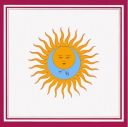
Seedów: 0
Komentarze: 0
Data dodania:
2026-09-06 18:09:12
Rozmiar: 195.78 MB
Peerów: 0
Dodał: Fallen_Angel
Opis
...SIŁA I PIĘKNO MUZYKI TKWIĄ W JEJ RÓŻNORODNOŚCI...
..::OPIS::.. Album 'Tongues In Aspic' Larks z 1973 roku jest powszechnie uważany za jeden z najwspanialszych albumów King Crimson. Dzięki surowemu brzmieniu, natchnionym improwizacjom i mocnym, nieregularnym rytmom, album ten stanowił radykalną zmianę w twórczości tej najbardziej nowatorskiej grupy. Był to pierwszy zespół, w którego składzie znaleźli się Bill Bruford i John Wetton. As well as providing the album itself in its original mix and in the updated mix by Steven Wilson and Robert Fripp (a fairly tasteful, light update which doesn't mess too much with perfection), this continues the run of Crimson boxed sets which come stuffed with live sets from the relevant lineup. This box is hampered somewhat by two factors: Jamie Muir really wasn't in the band that long, disappearing shortly after the studio album was done, and the band didn't do many soundboard tapes during this era (the Guildford Civic Hall gig being a happy exception). That means that most of the live sets here hail from audience cassettes, which are somewhat varied in their quality as you might imagine. Some of them are pretty good - with the Zoom Club and Hull Technical College tapes at least sounding better than Earthbound, and offering full sets. (It helps a lot that the chaotic music that Crimson presents here suffers less from a lo-fi presentation than, say, the material that the Islands-era lineup were performing.) And the Beat Club tape is a live- in-the-TV-studio affair, so that sounds great. At the other end of the spectrum, the Glasgow Green's Playhouse and Portsmouth Guildhall tapes are really not good - to the point where even the high quality of the music itself couldn't save them as it did with some of the other audience tapes. Still, overall the good outweighs the bad in this collection, and it's well worth it if you love the Larks' Tongues material, want some really massive improvs featuring that lineup, and have a tolerance for sometimes dodgy sound quality. Warthur ..::TRACK-LIST::.. Germany - October 1972 CD 1: The Zoom Club, Frankfurt - October 13, 1972 [1:18:33] 1. Larks' Tongues In Aspic (Part I) 8:22 2. Book Of Saturday 3:16 3. Zoom 22:03 4. Improv : Zoom Zoom 44:48 ..::OBSADA::.. Guitar, Mellotron - Robert Fripp Percussion [& Allsorts] - Jamie Muir Bass Guitar, Vocals - John Wetton Violin, Flute, Mellotron - David Cross Drums - Bill Bruford https://www.youtube.com/watch?v=wPizJobn3DQ SEED 15:00-22:00. POLECAM!!! 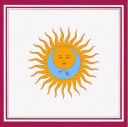
Seedów: 0
Komentarze: 0
Data dodania:
2026-09-06 17:46:46
Rozmiar: 180.75 MB
Peerów: 0
Dodał: Fallen_Angel
Opis
...SIŁA I PIĘKNO MUZYKI TKWIĄ W JEJ RÓŻNORODNOŚCI...
..::OPIS::.. Album 'Tongues In Aspic' Larks z 1973 roku jest powszechnie uważany za jeden z najwspanialszych albumów King Crimson. Dzięki surowemu brzmieniu, natchnionym improwizacjom i mocnym, nieregularnym rytmom, album ten stanowił radykalną zmianę w twórczości tej najbardziej nowatorskiej grupy. Był to pierwszy zespół, w którego składzie znaleźli się Bill Bruford i John Wetton. As well as providing the album itself in its original mix and in the updated mix by Steven Wilson and Robert Fripp (a fairly tasteful, light update which doesn't mess too much with perfection), this continues the run of Crimson boxed sets which come stuffed with live sets from the relevant lineup. This box is hampered somewhat by two factors: Jamie Muir really wasn't in the band that long, disappearing shortly after the studio album was done, and the band didn't do many soundboard tapes during this era (the Guildford Civic Hall gig being a happy exception). That means that most of the live sets here hail from audience cassettes, which are somewhat varied in their quality as you might imagine. Some of them are pretty good - with the Zoom Club and Hull Technical College tapes at least sounding better than Earthbound, and offering full sets. (It helps a lot that the chaotic music that Crimson presents here suffers less from a lo-fi presentation than, say, the material that the Islands-era lineup were performing.) And the Beat Club tape is a live- in-the-TV-studio affair, so that sounds great. At the other end of the spectrum, the Glasgow Green's Playhouse and Portsmouth Guildhall tapes are really not good - to the point where even the high quality of the music itself couldn't save them as it did with some of the other audience tapes. Still, overall the good outweighs the bad in this collection, and it's well worth it if you love the Larks' Tongues material, want some really massive improvs featuring that lineup, and have a tolerance for sometimes dodgy sound quality. Warthur ..::TRACK-LIST::.. Germany - October 1972 CD 1: The Zoom Club, Frankfurt - October 13, 1972 [1:18:33] 1. Larks' Tongues In Aspic (Part I) 8:22 2. Book Of Saturday 3:16 3. Zoom 22:03 4. Improv : Zoom Zoom 44:48 ..::OBSADA::.. Guitar, Mellotron - Robert Fripp Percussion [& Allsorts] - Jamie Muir Bass Guitar, Vocals - John Wetton Violin, Flute, Mellotron - David Cross Drums - Bill Bruford https://www.youtube.com/watch?v=wPizJobn3DQ SEED 15:00-22:00. POLECAM!!! 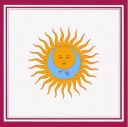
Seedów: 0
Komentarze: 0
Data dodania:
2026-09-06 17:41:52
Rozmiar: 433.02 MB
Peerów: 0
Dodał: Fallen_Angel
Opis
...SIŁA I PIĘKNO MUZYKI TKWIĄ W JEJ RÓŻNORODNOŚCI...
..::OPIS::.. Koncertowy zapis jednego z najważniejszych fińskich zespołów progresywnych początku lat 70., zarejestrowany podczas festiwalu Ruisrock w 1971 roku. Wszystkie nagrania wcześniej niepublikowane! CD2 zawiera bonusowy, blisko 20-minutowy „Better Move On (The Bargain)” z koncertu w Helsinkach. With a bit of a delay, but Tasavallan Presidentti's "Live At Ruisrock 1971" has finally been released. Out on the Finnish Svart Records label. It includes Tasavallan Presidentti's performance of FZ's 'King Kong' combined with 'Celebration Of The Saved Nine'. A 20-minute version !! ..::TRACK-LIST::.. CD 1: 1. Better Move On [aka The Bargain] 23:56 Lyrics By - Frank Robson Music By - Jukka Tolonen 2. Feel My Way Through [aka Ramblin'] / Impressions Of India 17:41 Lyrics By - Frank Robson Music By - Jukka Tolonen 3. King Kong / Celebration Of The Saved Nine 20:51 Music By [Celebration Of The Saved Nine] - Pekka Pöyry Music By [King Kong] - Frank Zappa CD 2 - Bonus: 1. Better Move On [aka The Bargain] 19:18 Lyrics By - Frank Robson Music By - Jukka Tolonen CD 1 recorded live at Ruisrock in Turku, August 22, 1971. Bonus CD 2 recorded live at Finlandia Hall, Helsinki, December 5, 1971. ..::OBSADA::.. Soprano Saxophone, Alto Saxophone, Flute, Cowbell - Pekka Pöyry Vocals, Organ, Tambourine - Frank Robson Bass - Måns Groundstroem Drums - Vesa Aaltonen Guitar - Jukka Tolonen https://www.youtube.com/watch?v=wC7NTt7GM2o SEED 15:00-22:00. POLECAM!!! 
Seedów: 0
Komentarze: 0
Data dodania:
2026-08-23 17:48:08
Rozmiar: 512.96 MB
Peerów: 0
Dodał: Fallen_Angel
Opis
...SIŁA I PIĘKNO MUZYKI TKWIĄ W JEJ RÓŻNORODNOŚCI...
..::OPIS::.. Wydany w atrakcyjnej okładce, trwający 158 minut, dwupłytowy CD zawierający przede wszystkim fantastycznie brzmiący i doskonale zagrany 114-minutowy koncert profesjonalnie zarejestrowany przez zespół (tzw. soundboard) 3 stycznia 1977 roku podczas tournee promującego wydany dwa dni wcześniej LP "Wind & Wuthering". To była druga trasa z Philem Collinsem w roli wokalisty i niestety ostatnia ze Steve'em Hackettem na gitarze! Na drugim zestawie bębnów (w miejsce Billa Bruforda) grał już były perkusista Zappy i Weather Report - Chester Thompson. Prawdopodobnie był to (obok Zurich 1977) najlepiej brzmiący koncert z całej trasy z 1977 roku. Wszyscy muzycy są perfekcyjnie słyszalni i moim zdaniem całość brzmi nie gorzej niż oficjalny "Seconds Out"! Dodatkowo, w drugiej części drugiego CD dołączono trwającą 45 minut, świetnie brzmiącą (po remasteringu), radiową transmisję 7 utworów zarejestrowanych 3 tygodnie potem w angielskim Leicester. Wielką zaletą tego ponad dwu-i-pół-godzinnego wydawnictwa są unikalne, zdecydowanie progresywne nagrania ze wspomnianego wyżej "Wind & Wuthering" - kompletnie pominięte na wspomnianym, katalogowym 2LP 'Seconds Out' (1977)! Absolutny mus dla fanów rocka progresywnego! JL ..::TRACK-LIST::.. CD 1: 1. Eleventh Earl Of Mar 2. The Carpet Crawlers 3. Robbery, Assault & Battery 4. Your Own Special Way 5. Squonk 6. One For The Vine 7. Firth Of Fifth 8. Supper's Ready CD 2: 1. All In A Mouse's Night 2. I Know What I Like (In Your Wardrobe) 3. Dance On A Volcano 4. Los Endos 5. The Lamb Lies Down On Broadway 6. The Musical Box (Closing Section) Bonus Tracks: 7. In That Quiet Earth 8. Afterglow 9. Squonk 10. One For The Vine 11. Eleventh Earl Of Mar 12. All In A Mouse's Night 13. I Know What I Like (In Your Wardrobe) ..::OBSADA::.. Bass Guitar, Vocals - Mike Rutherford Drums - Chester Thompson Guitar - Steve Hackett Keyboards - Tony Banks Vocals, Drums, Percussion - Phil Collins https://www.youtube.com/watch?v=gp0OzgmVJ3o SEED 15:00-22:00. POLECAM!!! 
Seedów: 0
Komentarze: 0
Data dodania:
2026-07-21 16:45:18
Rozmiar: 372.24 MB
Peerów: 0
Dodał: Fallen_Angel
Opis
...SIŁA I PIĘKNO MUZYKI TKWIĄ W JEJ RÓŻNORODNOŚCI...
..::OPIS::.. Wydany w atrakcyjnej okładce, trwający 158 minut, dwupłytowy CD zawierający przede wszystkim fantastycznie brzmiący i doskonale zagrany 114-minutowy koncert profesjonalnie zarejestrowany przez zespół (tzw. soundboard) 3 stycznia 1977 roku podczas tournee promującego wydany dwa dni wcześniej LP "Wind & Wuthering". To była druga trasa z Philem Collinsem w roli wokalisty i niestety ostatnia ze Steve'em Hackettem na gitarze! Na drugim zestawie bębnów (w miejsce Billa Bruforda) grał już były perkusista Zappy i Weather Report - Chester Thompson. Prawdopodobnie był to (obok Zurich 1977) najlepiej brzmiący koncert z całej trasy z 1977 roku. Wszyscy muzycy są perfekcyjnie słyszalni i moim zdaniem całość brzmi nie gorzej niż oficjalny "Seconds Out"! Dodatkowo, w drugiej części drugiego CD dołączono trwającą 45 minut, świetnie brzmiącą (po remasteringu), radiową transmisję 7 utworów zarejestrowanych 3 tygodnie potem w angielskim Leicester. Wielką zaletą tego ponad dwu-i-pół-godzinnego wydawnictwa są unikalne, zdecydowanie progresywne nagrania ze wspomnianego wyżej "Wind & Wuthering" - kompletnie pominięte na wspomnianym, katalogowym 2LP 'Seconds Out' (1977)! Absolutny mus dla fanów rocka progresywnego! JL ..::TRACK-LIST::.. CD 1: 1. Eleventh Earl Of Mar 2. The Carpet Crawlers 3. Robbery, Assault & Battery 4. Your Own Special Way 5. Squonk 6. One For The Vine 7. Firth Of Fifth 8. Supper's Ready CD 2: 1. All In A Mouse's Night 2. I Know What I Like (In Your Wardrobe) 3. Dance On A Volcano 4. Los Endos 5. The Lamb Lies Down On Broadway 6. The Musical Box (Closing Section) Bonus Tracks: 7. In That Quiet Earth 8. Afterglow 9. Squonk 10. One For The Vine 11. Eleventh Earl Of Mar 12. All In A Mouse's Night 13. I Know What I Like (In Your Wardrobe) ..::OBSADA::.. Bass Guitar, Vocals - Mike Rutherford Drums - Chester Thompson Guitar - Steve Hackett Keyboards - Tony Banks Vocals, Drums, Percussion - Phil Collins https://www.youtube.com/watch?v=gp0OzgmVJ3o SEED 15:00-22:00. POLECAM!!! 
Seedów: 0
Komentarze: 0
Data dodania:
2026-07-21 16:41:23
Rozmiar: 1.09 GB
Peerów: 0
Dodał: Fallen_Angel
Opis
...SIŁA I PIĘKNO MUZYKI TKWIĄ W JEJ RÓŻNORODNOŚCI...
..::OPIS::.. Nowa, zremasterowana, limitowana, europejska edycja nagranego latem 1970 roku a wydanego dopiero w 1971 roku, rewelacyjnego, drugiego albumu, duńskiej, progresywnej formacji nawiązującej tutaj do stylistyki ówczesnych dokonań Procol Harum, Van Der Graaf Generator, Beggar's Opera a nawet Uriah Heep w ich najbardziej progresywnej, wczesnej odsłonie. W przeciwieństwie do zawierającego dwie długie, 20-minutowe suity debiutu, ta płyta składała się z nieco krótszych, 5-8 minutowych, aczkolwiek również fascynujących kompozycji (w nieco większym niż wcześniej stopniu wykorzystujących brzmienie gitary) - z genialnym, mrocznym 'Invasion' w roli głównej. Oba albumu należą do ścisłej czołówki ówczesnego, europejskiego prog-rocka! JL Well if you keep turning over rocks it’s inevitable that every once and a while you’ll find something worth keeping underneath some of them. That’s the case with Ache, a surprisingly underexposed proto/heavy prog Danish band whose existence dates back nearly forty years. These guys may be well known to their fans, but like the saying goes – ‘if you’ve never heard it it’s new to you’. Well, I’d never heard these guys until recently, and had only heard of them from doing routine research of symphonic prog bands during the process of updated biographies and trying to find the logical connections between groups of various sub-genres. When I finally got a chance to check out one of their albums this seemed to be the best choice since it was more varied than their two-track debut and fell into a more promising time period than their final two mid-seventies albums. I haven’t heard any of those other albums yet, but this sophomore release of the band is well worth taking some time to get to know. The music varies widely, from heavy Hammond-fueled rock to a sort of rock ballad to muddled-sounding psych to a really novel Beatles cover. All great stuff! The lineup includes a bunch of unknowns: then seventeen-year old guitarist Finn Olafsson on a warm Rickenbacker as well as acoustic and 12-string; Peter Mellin on his fat Hammond and chortling out well-timed vocal harmonies, not to mention vibraphone and overlaid piano tracks throughout; percussionist Glenn Fischer; and bassist/vocalist Torsten Olafsson. There are also lots of “special effects”, mostly toward the first half of the album and mostly what appear to be pre-recorded sounds mixed back on tracks during the post-production process. The album cover shows what appears to be a boogey man, or maybe just some creepy guy in a Halloween costume (do Danes recognize Halloween?). Anyway the lyrics for most of the tracks are typical late-sixties combination fantasy with vaguely social overtones, and partly psychedelic. The title track by the way kicks off sounding like some sort of early Manfred Mann ditty with a simple tempo, very little percussion beyond simple snare, and acoustic guitar. But the Rickenbacker kicks in shortly, and by the time the Hammond wades into the mix its clear this isn’t something from a 1965 playlist. Back to the beginning though, “Equatorial Rain” starts off with some of those goofy sound effects, but these quickly give way to a Hammond/vocal dirge that could pass for Ray Manzarek and Jim Morrison in a b-side of the Doors 1967 classic “The End”. In fact Torsten Olafsson shows an uncanny ability to sound like Morrison at several points of this album. This stuff isn’t quite as powerful as what the Doors were doing at the same time, but from what I’ve read these guys were better showmen in that they didn’t no-show half the time or have their lead singer puke and expose himself when they did make it to the stage. So in those two ways they weren’t like the Doors at all. Selah. The more I listen to “Sweet Jolly Joyce” the more it makes me picture David Bowie trying to do punk while on acid. Hey, I’m all about word pictures, and that one works for me. You can tell this wasn’t recorded in a single session (and maybe not even at a single studio). “The Invasion” is much more muddled and flat-sounding than the rest of the album, and is basically a slow, hypnotic psych number with long Hammond passages that culminate in a nice guitar/drum finish. This is a multi-part and rather abstract story of some sort that probably made a lot more sense in 1970 than it does today. The band’s one-hit claim to fame must have been “Shadow of a Gypsy” since it still features on their web site (both the lyrics and the music). This is a very Procol Harum-sounding tune, mysterious, Hammond heavy, mystical lyrics, and deep harmonic backing vocals from what sounds like the whole rest of the band. I can easily see this being a hit any time between 1968 and 1973. “Acheron” is another tune whose keyboards and guitar remind me a lot of the late-sixties Doors, but maybe with a little more of a jazz texture than what those guys ever displayed. Finally the album ends with the most unexpected and original version of the Beatles “We Can Work it Out” I’ve ever heard. Basically this is an organ and drum dirge that progresses into a highly rhythmic and very psychedelic extended instrumental/ chanting passages and vocals that sound more like a stoned Londoner than some Nordic dude. Hard to describe, but if you can find this it’s a very original rendition that most prog fans will probably enjoy. Best guitar work on the album as well. According to the band’s web site these guys seem to still be making music in some fashion or another, although it doesn’t appear they put any albums out in about thirty years. This seems a bit obscure to me but the CD has only been out for about eight years so there must be many more well-informed proggers than I as the demand must have been there to reissue it on CD. A great find, one of those rare examples of excellent very early prog that didn’t end up on the overexposed, overplayed list like most of the huge prog bands of that day. Highly recommended to pretty much any prog music fan. Four stars. ClemofNazaret ..::TRACK-LIST::.. 1. Equatorial Rain 7:04 2. Sweet Jolly Joyce 3:50 3. The Invasion (6:01) a) Fanfaronade b) Invasion c) Monolouge d) Break-Down 4. Shadow Of A Gipsy 4:40 5. Green Man 4:42 6. Acheron 4:49 7. We Can Work It Out / Working (The Beatles cover) 8:45 ..::OBSADA::.. Guitar, Vocals - Finn Olafsson Bass, Vocals - Torsten Olafsson Drums, Percussion - Glenn Fischer Organ, Piano - Peter Mellin Gregers Bjørn Poulsen - effects https://www.youtube.com/watch?v=NQzdZ3IssyY SEED 15:00-22:00. POLECAM!!! 
Seedów: 0
Komentarze: 0
Data dodania:
2026-07-07 20:46:48
Rozmiar: 91.90 MB
Peerów: 0
Dodał: Fallen_Angel
Opis
...SIŁA I PIĘKNO MUZYKI TKWIĄ W JEJ RÓŻNORODNOŚCI...
..::OPIS::.. Nowa, zremasterowana, limitowana, europejska edycja nagranego latem 1970 roku a wydanego dopiero w 1971 roku, rewelacyjnego, drugiego albumu, duńskiej, progresywnej formacji nawiązującej tutaj do stylistyki ówczesnych dokonań Procol Harum, Van Der Graaf Generator, Beggar's Opera a nawet Uriah Heep w ich najbardziej progresywnej, wczesnej odsłonie. W przeciwieństwie do zawierającego dwie długie, 20-minutowe suity debiutu, ta płyta składała się z nieco krótszych, 5-8 minutowych, aczkolwiek również fascynujących kompozycji (w nieco większym niż wcześniej stopniu wykorzystujących brzmienie gitary) - z genialnym, mrocznym 'Invasion' w roli głównej. Oba albumu należą do ścisłej czołówki ówczesnego, europejskiego prog-rocka! JL Well if you keep turning over rocks it’s inevitable that every once and a while you’ll find something worth keeping underneath some of them. That’s the case with Ache, a surprisingly underexposed proto/heavy prog Danish band whose existence dates back nearly forty years. These guys may be well known to their fans, but like the saying goes – ‘if you’ve never heard it it’s new to you’. Well, I’d never heard these guys until recently, and had only heard of them from doing routine research of symphonic prog bands during the process of updated biographies and trying to find the logical connections between groups of various sub-genres. When I finally got a chance to check out one of their albums this seemed to be the best choice since it was more varied than their two-track debut and fell into a more promising time period than their final two mid-seventies albums. I haven’t heard any of those other albums yet, but this sophomore release of the band is well worth taking some time to get to know. The music varies widely, from heavy Hammond-fueled rock to a sort of rock ballad to muddled-sounding psych to a really novel Beatles cover. All great stuff! The lineup includes a bunch of unknowns: then seventeen-year old guitarist Finn Olafsson on a warm Rickenbacker as well as acoustic and 12-string; Peter Mellin on his fat Hammond and chortling out well-timed vocal harmonies, not to mention vibraphone and overlaid piano tracks throughout; percussionist Glenn Fischer; and bassist/vocalist Torsten Olafsson. There are also lots of “special effects”, mostly toward the first half of the album and mostly what appear to be pre-recorded sounds mixed back on tracks during the post-production process. The album cover shows what appears to be a boogey man, or maybe just some creepy guy in a Halloween costume (do Danes recognize Halloween?). Anyway the lyrics for most of the tracks are typical late-sixties combination fantasy with vaguely social overtones, and partly psychedelic. The title track by the way kicks off sounding like some sort of early Manfred Mann ditty with a simple tempo, very little percussion beyond simple snare, and acoustic guitar. But the Rickenbacker kicks in shortly, and by the time the Hammond wades into the mix its clear this isn’t something from a 1965 playlist. Back to the beginning though, “Equatorial Rain” starts off with some of those goofy sound effects, but these quickly give way to a Hammond/vocal dirge that could pass for Ray Manzarek and Jim Morrison in a b-side of the Doors 1967 classic “The End”. In fact Torsten Olafsson shows an uncanny ability to sound like Morrison at several points of this album. This stuff isn’t quite as powerful as what the Doors were doing at the same time, but from what I’ve read these guys were better showmen in that they didn’t no-show half the time or have their lead singer puke and expose himself when they did make it to the stage. So in those two ways they weren’t like the Doors at all. Selah. The more I listen to “Sweet Jolly Joyce” the more it makes me picture David Bowie trying to do punk while on acid. Hey, I’m all about word pictures, and that one works for me. You can tell this wasn’t recorded in a single session (and maybe not even at a single studio). “The Invasion” is much more muddled and flat-sounding than the rest of the album, and is basically a slow, hypnotic psych number with long Hammond passages that culminate in a nice guitar/drum finish. This is a multi-part and rather abstract story of some sort that probably made a lot more sense in 1970 than it does today. The band’s one-hit claim to fame must have been “Shadow of a Gypsy” since it still features on their web site (both the lyrics and the music). This is a very Procol Harum-sounding tune, mysterious, Hammond heavy, mystical lyrics, and deep harmonic backing vocals from what sounds like the whole rest of the band. I can easily see this being a hit any time between 1968 and 1973. “Acheron” is another tune whose keyboards and guitar remind me a lot of the late-sixties Doors, but maybe with a little more of a jazz texture than what those guys ever displayed. Finally the album ends with the most unexpected and original version of the Beatles “We Can Work it Out” I’ve ever heard. Basically this is an organ and drum dirge that progresses into a highly rhythmic and very psychedelic extended instrumental/ chanting passages and vocals that sound more like a stoned Londoner than some Nordic dude. Hard to describe, but if you can find this it’s a very original rendition that most prog fans will probably enjoy. Best guitar work on the album as well. According to the band’s web site these guys seem to still be making music in some fashion or another, although it doesn’t appear they put any albums out in about thirty years. This seems a bit obscure to me but the CD has only been out for about eight years so there must be many more well-informed proggers than I as the demand must have been there to reissue it on CD. A great find, one of those rare examples of excellent very early prog that didn’t end up on the overexposed, overplayed list like most of the huge prog bands of that day. Highly recommended to pretty much any prog music fan. Four stars. ClemofNazaret ..::TRACK-LIST::.. 1. Equatorial Rain 7:04 2. Sweet Jolly Joyce 3:50 3. The Invasion (6:01) a) Fanfaronade b) Invasion c) Monolouge d) Break-Down 4. Shadow Of A Gipsy 4:40 5. Green Man 4:42 6. Acheron 4:49 7. We Can Work It Out / Working (The Beatles cover) 8:45 ..::OBSADA::.. Guitar, Vocals - Finn Olafsson Bass, Vocals - Torsten Olafsson Drums, Percussion - Glenn Fischer Organ, Piano - Peter Mellin Gregers Bjørn Poulsen - effects https://www.youtube.com/watch?v=NQzdZ3IssyY SEED 15:00-22:00. POLECAM!!! 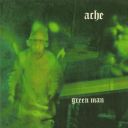
Seedów: 0
Komentarze: 0
Data dodania:
2026-07-07 20:41:39
Rozmiar: 262.84 MB
Peerów: 0
Dodał: Fallen_Angel
Opis
...SIŁA I PIĘKNO MUZYKI TKWIĄ W JEJ RÓŻNORODNOŚCI...
..::OPIS::.. To jest po prostu zespół Subject Esq. pod zmienioną w połowie 1973 roku nazwą i z dwoma, nowymi muzykami: byłym organistą Out Of Focus oraz gitarzystą z debiutu grupy Gift! Wydany w marcu 1974 roku debiutancki album Sahary to klasyczny, bogato zaaranżowany, niemiecki rock progresywny - siłą rzeczy stylistycznie bliski Subject Esq. ale też Eloy, King Crimson, Jethro Tull, Yes oraz Deep Purple (w środku suity zacytowano nawet fragment 'Concerto'). Na płycie są tylko 4 kompozycje, w tym wspomniana, eklektyczna, 27-minutowa suita! Fani niemieckiego, progresywnego grania będą zachwyceni! Dodatkowo dołączono 2 doskonale brzmiące i trwające kolejno 14 i 11 minut nagrania koncertowe z sierpnia 1973. UWAGA! Płytę CD rozpoczyna dźwięk igły gramofonu opadającej na winyl i dopiero po chwili pojawia się fragment utworu z muzyki klasycznej i po kilku sekundach z nagła wchodzi zespół rockowy... Dlaczego o tym piszę? Otóż ten niezbyt fortunny fragment z igłą nie pojawił się ma wcześniejszej edycji CD 'Sunrise' (pewnie z obawy wytwórni o podejrzenie o niechlujstwo podczas masteringu), więc proszę nie zgłaszać z tego powodu reklamacji, gdyż po raz pierwszy płyta zaprezentowana jest w całości! JL What a change an album makes! Having suffered the departure of keyboardist Stadler, but added an extra guitarist, Englishman Nick Woodland (from Gift), the group changed its name from the strange and unfitting Subject Esq to the more concise Sahara and whatever adventure this new name promised. But the best thing happening to the band is the arrival of ex-Out Of Focus keyboardist Hennes Herring on many different keyboards. Coming in a superb gatefold with a fiery artwork, the album was released on a small German label Pan (Ariola), but also was distributed on the UK on the Dawn label in early 74. Now a sextet, Sahara develops a varied prog sound, sometimes veering classical, sometimes jazz, and at others, bluesy Starting wildly on ultra quick guitar riff, Marie Celeste (a boat) quickly drops the horns and brings on the church-like organ in a quieter movement, when a sax blows its soul out and the boat sails many different and turbulent musical weather changes. The weaker Circles, country-folk track that shouldn't have crossed the ocean with those indispensable GI stationed around the country, but it's more folk than country, but it sticks out like a sore thumb from the rest of the otherwise near-perfect album. The following Rainbow Rider is a moody track that delves into jazz, after a piano intro and a fast-paced verse, then giving us an excellent 8-minutes track, if you'll pardon the all-too-predictable repeated choir line at its end-section If the first side is nowhere near perfection, the flipside with its side-long title track is one of the best multi-movement epic suites ever, certainly one of the most varied: from electronica to classical, but mostly their own typical rock music that has its own sound and cannot be easily pigeonholed to classic UK prog bands. This 27-minutes+ affair (!) is head-twisting, skull-numbing, mind-blowing, will-bending, nerve-wracking, hair-pulling, eye-tearing, ear-piercing, breath-taking, sinus-emptying, throat-clearing, mouth-watering , etc..; and that's just to mention what is does to your upper extremities. And the amazing feat is that the track gets better and better to reacj its apex around the end of these 27-mins+. Definitely one of the best "trad-prog" (this means more or less symphonic, but there is so much more to it than that) album out of Germany along with the first Grobschnitt album, Herring's OOF heritage did bring the extra touch that the band needed to become excellent instead of merely good. Sean Trane ..::TRACK-LIST::.. 1. Marie Celeste (7:37) 2. Circles (4:42) 3. Rainbow Rider (8:41) 4. Sunrise (27:12) - Part I: a) Sunrise b) The divinity of being c) Perception (inc. Devil's tune) d) Paramount confluence - Part II: a) Aspiration b) Creativity c) Realisation Bonus Tracks: 5. Cras 14:28 6. Freedom 10:56 (Recorded on Live at Imsel Limdau, Germany on 18th August 1973) ..::OBSADA::.. Nicholas Woodland - guitars Hennes Hering - keyboards Michael Hofmann - Moog, Mellotron, woodwind, vocals, composer Alex Pittwohn - mouth harp, tenor sax, vocals Stephan Wissnet - bass, lead vocals Harry Rosenkind - drums, tuned percussion https://www.youtube.com/watch?v=81pvR9SadYM SEED 15:00-22:00. POLECAM!!! 
Seedów: 0
Komentarze: 0
Data dodania:
2026-07-05 13:04:23
Rozmiar: 169.25 MB
Peerów: 0
Dodał: Fallen_Angel
Opis
...SIŁA I PIĘKNO MUZYKI TKWIĄ W JEJ RÓŻNORODNOŚCI...
..::OPIS::.. To jest po prostu zespół Subject Esq. pod zmienioną w połowie 1973 roku nazwą i z dwoma, nowymi muzykami: byłym organistą Out Of Focus oraz gitarzystą z debiutu grupy Gift! Wydany w marcu 1974 roku debiutancki album Sahary to klasyczny, bogato zaaranżowany, niemiecki rock progresywny - siłą rzeczy stylistycznie bliski Subject Esq. ale też Eloy, King Crimson, Jethro Tull, Yes oraz Deep Purple (w środku suity zacytowano nawet fragment 'Concerto'). Na płycie są tylko 4 kompozycje, w tym wspomniana, eklektyczna, 27-minutowa suita! Fani niemieckiego, progresywnego grania będą zachwyceni! Dodatkowo dołączono 2 doskonale brzmiące i trwające kolejno 14 i 11 minut nagrania koncertowe z sierpnia 1973. UWAGA! Płytę CD rozpoczyna dźwięk igły gramofonu opadającej na winyl i dopiero po chwili pojawia się fragment utworu z muzyki klasycznej i po kilku sekundach z nagła wchodzi zespół rockowy... Dlaczego o tym piszę? Otóż ten niezbyt fortunny fragment z igłą nie pojawił się ma wcześniejszej edycji CD 'Sunrise' (pewnie z obawy wytwórni o podejrzenie o niechlujstwo podczas masteringu), więc proszę nie zgłaszać z tego powodu reklamacji, gdyż po raz pierwszy płyta zaprezentowana jest w całości! JL What a change an album makes! Having suffered the departure of keyboardist Stadler, but added an extra guitarist, Englishman Nick Woodland (from Gift), the group changed its name from the strange and unfitting Subject Esq to the more concise Sahara and whatever adventure this new name promised. But the best thing happening to the band is the arrival of ex-Out Of Focus keyboardist Hennes Herring on many different keyboards. Coming in a superb gatefold with a fiery artwork, the album was released on a small German label Pan (Ariola), but also was distributed on the UK on the Dawn label in early 74. Now a sextet, Sahara develops a varied prog sound, sometimes veering classical, sometimes jazz, and at others, bluesy Starting wildly on ultra quick guitar riff, Marie Celeste (a boat) quickly drops the horns and brings on the church-like organ in a quieter movement, when a sax blows its soul out and the boat sails many different and turbulent musical weather changes. The weaker Circles, country-folk track that shouldn't have crossed the ocean with those indispensable GI stationed around the country, but it's more folk than country, but it sticks out like a sore thumb from the rest of the otherwise near-perfect album. The following Rainbow Rider is a moody track that delves into jazz, after a piano intro and a fast-paced verse, then giving us an excellent 8-minutes track, if you'll pardon the all-too-predictable repeated choir line at its end-section If the first side is nowhere near perfection, the flipside with its side-long title track is one of the best multi-movement epic suites ever, certainly one of the most varied: from electronica to classical, but mostly their own typical rock music that has its own sound and cannot be easily pigeonholed to classic UK prog bands. This 27-minutes+ affair (!) is head-twisting, skull-numbing, mind-blowing, will-bending, nerve-wracking, hair-pulling, eye-tearing, ear-piercing, breath-taking, sinus-emptying, throat-clearing, mouth-watering , etc..; and that's just to mention what is does to your upper extremities. And the amazing feat is that the track gets better and better to reacj its apex around the end of these 27-mins+. Definitely one of the best "trad-prog" (this means more or less symphonic, but there is so much more to it than that) album out of Germany along with the first Grobschnitt album, Herring's OOF heritage did bring the extra touch that the band needed to become excellent instead of merely good. Sean Trane ..::TRACK-LIST::.. 1. Marie Celeste (7:37) 2. Circles (4:42) 3. Rainbow Rider (8:41) 4. Sunrise (27:12) - Part I: a) Sunrise b) The divinity of being c) Perception (inc. Devil's tune) d) Paramount confluence - Part II: a) Aspiration b) Creativity c) Realisation Bonus Tracks: 5. Cras 14:28 6. Freedom 10:56 (Recorded on Live at Imsel Limdau, Germany on 18th August 1973) ..::OBSADA::.. Nicholas Woodland - guitars Hennes Hering - keyboards Michael Hofmann - Moog, Mellotron, woodwind, vocals, composer Alex Pittwohn - mouth harp, tenor sax, vocals Stephan Wissnet - bass, lead vocals Harry Rosenkind - drums, tuned percussion https://www.youtube.com/watch?v=81pvR9SadYM SEED 15:00-22:00. POLECAM!!! 
Seedów: 0
Komentarze: 0
Data dodania:
2026-07-05 12:59:38
Rozmiar: 466.63 MB
Peerów: 0
Dodał: Fallen_Angel
Opis
...SIŁA I PIĘKNO MUZYKI TKWIĄ W JEJ RÓŻNORODNOŚCI...
..::OPIS::.. Wydany w atrakcyjnej okładce, trwający 158 minut, dwupłytowy CD zawierający przede wszystkim fantastycznie brzmiący i doskonale zagrany 138-minutowy, legendarny koncert profesjonalnie zarejestrowany w Chicago 13 października 1978 podczas tournee promującego LP "And Then There Were Three" i transmitowany przez amerykańskie radio. To była pierwsza trasa bez Steva Hacketta, za to z pochodzącym z kręgu jazz fusion, cenionym gitarzystą Darrylem Stuermerem. Na drugim zestawie bębnów grał były perkusista Zappy i Weather Report - Chester Thompson. Prawdopodobnie był to najlepiej brzmiący koncert z całej trasy z 1978 roku i jednocześnie trzeba dodać, że zespół grał fantastycznie! To wciąż jest obłędny, progresywny, oczywiście lekko wygładzony (jak wszystkie, ówczesne, popularne formacje) Genesis z końca lat 70. ale z zestawem nagrań jak marzenie! Z pewnością nie było to gorsze granie niż ostatnia trasa z 1977 roku z Hackettem! Dodatkowo dołączono trwające w sumie 20 minut, 3 rzadkie nagrania grane na innych występach: 'Down And Out', 'The Ballad Of Big' oraz 'The Fountain Of Salmacis'. Ten ostatni ukazał się oficjalnie na 'Three Sides Live'. Absolutny mus dla fanów rocka progresywnego! JL ..::TRACK-LIST::.. Live at Uptown Theatre Chicago, October 13th, 1978. CD 1: 1. Eleventh Earl Of Mar 10:52 2. In The Cage 8:03 3. Burning Rope 7:58 4. Dancing With The Moonlight Knight 5:08 5. The Musical Box 4:14 6. Ripples 10:40 7. Deep In The Motherlode 6:56 8. One For Vine 10:27 Bonus Tracks: 9. The Ballad Of Big 5:59 (New York City, 26th July 1978) 10. Down And Out 5:14 (San Diego, 15th April 1978) CD 2: 1. Squonk 8:36 2. Say It's All Right Joe 9:08 3. The Lady Lies 10:18 4. The Cinema Show 11:27 5. Afterglow 4:47 6. Follow You Follow Me 4:23 7. Dance On A Volcano 5:47 8. Los Endos 6:37 9. I Know What I Like (In Your Wardrode) 9:00 Bonus Tracks: 10. The Fountain Of Salmacis 8:47 (Huston, 22nd October 1978) ..::OBSADA::.. Bass, Guitar - Mike Rutherford Drums - Chester Thompson Guitar - Daryl Stuermer Keyboards - Tony Banks Vocals, Drums - Phil Collins https://www.youtube.com/watch?v=__NQM2jD6Wo SEED 15:00-22:00. POLECAM!!! 
Seedów: 0
Komentarze: 0
Data dodania:
2026-07-05 11:47:24
Rozmiar: 362.58 MB
Peerów: 0
Dodał: Fallen_Angel
Opis
...SIŁA I PIĘKNO MUZYKI TKWIĄ W JEJ RÓŻNORODNOŚCI...
..::OPIS::.. Wydany w atrakcyjnej okładce, trwający 158 minut, dwupłytowy CD zawierający przede wszystkim fantastycznie brzmiący i doskonale zagrany 138-minutowy, legendarny koncert profesjonalnie zarejestrowany w Chicago 13 października 1978 podczas tournee promującego LP "And Then There Were Three" i transmitowany przez amerykańskie radio. To była pierwsza trasa bez Steva Hacketta, za to z pochodzącym z kręgu jazz fusion, cenionym gitarzystą Darrylem Stuermerem. Na drugim zestawie bębnów grał były perkusista Zappy i Weather Report - Chester Thompson. Prawdopodobnie był to najlepiej brzmiący koncert z całej trasy z 1978 roku i jednocześnie trzeba dodać, że zespół grał fantastycznie! To wciąż jest obłędny, progresywny, oczywiście lekko wygładzony (jak wszystkie, ówczesne, popularne formacje) Genesis z końca lat 70. ale z zestawem nagrań jak marzenie! Z pewnością nie było to gorsze granie niż ostatnia trasa z 1977 roku z Hackettem! Dodatkowo dołączono trwające w sumie 20 minut, 3 rzadkie nagrania grane na innych występach: 'Down And Out', 'The Ballad Of Big' oraz 'The Fountain Of Salmacis'. Ten ostatni ukazał się oficjalnie na 'Three Sides Live'. Absolutny mus dla fanów rocka progresywnego! JL ..::TRACK-LIST::.. Live at Uptown Theatre Chicago, October 13th, 1978. CD 1: 1. Eleventh Earl Of Mar 10:52 2. In The Cage 8:03 3. Burning Rope 7:58 4. Dancing With The Moonlight Knight 5:08 5. The Musical Box 4:14 6. Ripples 10:40 7. Deep In The Motherlode 6:56 8. One For Vine 10:27 Bonus Tracks: 9. The Ballad Of Big 5:59 (New York City, 26th July 1978) 10. Down And Out 5:14 (San Diego, 15th April 1978) CD 2: 1. Squonk 8:36 2. Say It's All Right Joe 9:08 3. The Lady Lies 10:18 4. The Cinema Show 11:27 5. Afterglow 4:47 6. Follow You Follow Me 4:23 7. Dance On A Volcano 5:47 8. Los Endos 6:37 9. I Know What I Like (In Your Wardrode) 9:00 Bonus Tracks: 10. The Fountain Of Salmacis 8:47 (Huston, 22nd October 1978) ..::OBSADA::.. Bass, Guitar - Mike Rutherford Drums - Chester Thompson Guitar - Daryl Stuermer Keyboards - Tony Banks Vocals, Drums - Phil Collins https://www.youtube.com/watch?v=__NQM2jD6Wo SEED 15:00-22:00. POLECAM!!! 
Seedów: 0
Komentarze: 0
Data dodania:
2026-07-05 11:42:22
Rozmiar: 1.09 GB
Peerów: 0
Dodał: Fallen_Angel
Opis
...SIŁA I PIĘKNO MUZYKI TKWIĄ W JEJ RÓŻNORODNOŚCI...
..::OPIS::.. Edycja jedynego albumu brytyjskiej formacji grającej lekkiego, progresywnego rocka w stylu wczesnego Camel'a pomieszanego z Tangerine Dream - z dominującymi klawiszami, okazjonalnymi partiami fletu i z... Billem Brufordem na bębnach! To nie jest rockowy majstersztyk, ale fani łagodniejszej odmiany prog-rocka powinni być zadowoleni. Natomiast dla miłośników i zbieraczy płyt związanych z King Crimson czy Yes - jest to jazda obowiązkowa! Oryginalnie wydany w 1976 roku. Keyboardist and flautist Paul Fishman's 1976 work `In Search of Ancient Gods', under the project name Absolute Elsewhere, is something of a minor classic of both spacey and symphonic instrumental progressive rock of the vintage era. Based on the pseudo-science/alternative history books inspired by the theories of author Erik von Daniken, `...Ancient Gods' enjoys something of a raised profile due to the drumming contributions of King Crimson/Yes member Bill Bruford, yet it still remains fairly obscure and something of a kept secret! Swamped in dreamy and lavish keyboards, the album houses everything from extravagant symphonic multi-part suites, drifting space-music electronics, shorter Rick Wakeman-esque fanfare interludes and experimental psychedelic fragments. There's spacey whirring synths and glorious dreamy Mellotron-glossed themes aplenty throughout nine-minute opener `Earthbound', laced with a chilled-out Seventies coolness (some of it sounding like a template that French band Air would employ on their classic full-length debut `Moon Safari' in 1998, though it's likely a coincidence) that even calls to mind the fuzzy dreaminess of Bo Hansson's `Attic Thoughts', some laid-back drumming and drifting flute giving the piece a soft pattering of jazzy flavours, and a final run of electric guitar fire bringing a smouldering groove. Trickling subtle sequencer beats pan left and right throughout `Moon City's bleeding deep-space drones, and the near twelve-minute five-part suite `Miracle of the Gods' darts through everything from nightmarish electronic twitches and reprising soaring Mellotron/Moog themes in the manner of Pink Floyd, Novalis, Camel and Pulsar, delicately moving towards ethereal ambient paths and pristine piano ruminations in crucial little diversions. The second side opens with two shorter interludes, `The Gold of the Gods' and `Tokleta', the first a whimsical and slightly kitsch synth fanfare, the latter a mysterious and softly melancholic Moog reflection. Two ten minute workouts close the album, first `Chariots of the Gods' opens as a subdued and melancholic Rick Wright-like piano reflection before revealing relaxed jazz/funk grooves, and `Return to the Stars' is a slowly revealing Tangerine Dream-like expansive distortion-laced ebbing electronic drone that is completely seductive, enveloping and deeply immersive. Although there's some conflicting little passages and a few questionable production choices here and there (the pretend `stuck vinyl' fade-out halfway through `Chariots of the Gods' is a bit of a cop-out, and the little pieces that open the second side are somewhat out-of-place distractions!), `In Search of Ancient Gods' is mostly full of exquisite and grand instrumental symphonic music crossed with experimental and atmospheric electronics, with several truly jaw-dropping moments for lovers of lengthier keyboard and Mellotron-drenched grandiosity. This successful fusion of styles makes for an album that is so close to being an absolutely classic symphonic/chill-out/electronic crossover work, one well deserving of renewed attention for its own merits far beyond the contribution of a legendary drummer alone. Aussie-Byrd-Brother ..::TRACK-LIST::.. Album subtitle 'An Experience in Sound and Music Based on the Books of Erich von Däniken' 1a. Earthbound [9:16] 1b. (Part 2) Future Past 2. Moon City 4:53 3a. Miracles Of The Gods [11:49] 3b. (Part 2) El Enladrillado 3c. (Part 3) The Legend Of Santa Cruz 3d. (Part 4) Pyramids Of Teotihuacan 3e. (Part 5) Temple Of The Inscriptions 4. The Gold Of The Gods 2:38 5. Toktela 1:38 6. Chariots Of The Gods 9:34 7. Return To The Stars 10:50 ..::OBSADA::.. Paul Fishman - synthesisers, sequencers, flute, electric and acoustic pianos, Mellotron, string synthesisers William (Bill) Bruford - percussion Phillip Saatchi - electric guitar Jon Astrop - bass guitar Kim Mackrell - cello (6) https://www.youtube.com/watch?v=mXYIxje3kDk SEED 15:00-22:00. POLECAM!!! 
Seedów: 0
Komentarze: 0
Data dodania:
2026-07-03 16:09:31
Rozmiar: 116.50 MB
Peerów: 0
Dodał: Fallen_Angel
|
|||||||||||||
Żaden z plików nie znajduje się na serwerze. Torrenty są własnością użytkowników. Administrator serwisu nie może ponieść konsekwencji za to co użytkownicy wstawiają, lub za to co czynią na stronie. Nie możesz używać tego serwisu do rozpowszechniania lub ściągania materiałów do których nie masz odpowiednich praw lub licencji. Użytkownicy odpowiedzialni są za przestrzeganie tych zasad.
Copyright © 2026 Best-Torrents.com
Copyright © 2026 Best-Torrents.com